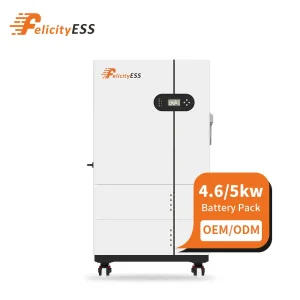
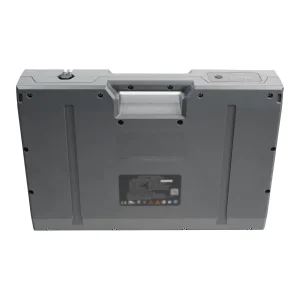
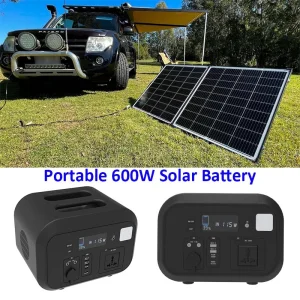
Engineered to deliver uninterrupted performance under tropical island conditions, providing grid stability and clean energy storage.
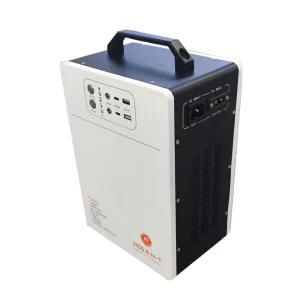
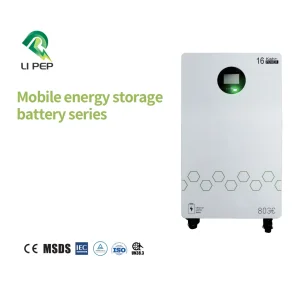
São Tomé and Príncipe, an archipelagic nation in the Gulf of Guinea, faces unique energy trilemmas: high fuel import dependency, isolated island grids, and the imperative to protect pristine ecosystems (particularly on the UNESCO Biosphere Reserve of Príncipe Island). Currently, the utility provider, EMAE, relies heavily on thermal diesel generators, resulting in high electricity tariffs and frequent load shedding. This operational reality directly impacts business efficiency, agricultural processing (especially organic cocoa and coffee), and the growing luxury eco-tourism sector.
By implementing decentralized, high-capacity portable power batteries, local commercial operations and public services can transition to clean solar-plus-storage topologies. Advanced LiFePO4 lithium batteries act as resilient buffers, allowing hotels, remote clinics, and telecom infrastructure to operate continuously despite main grid collapses. This technological integration paves the way for sustainable development without adding carbon footprints or running high maintenance costs of diesel combustion engines.
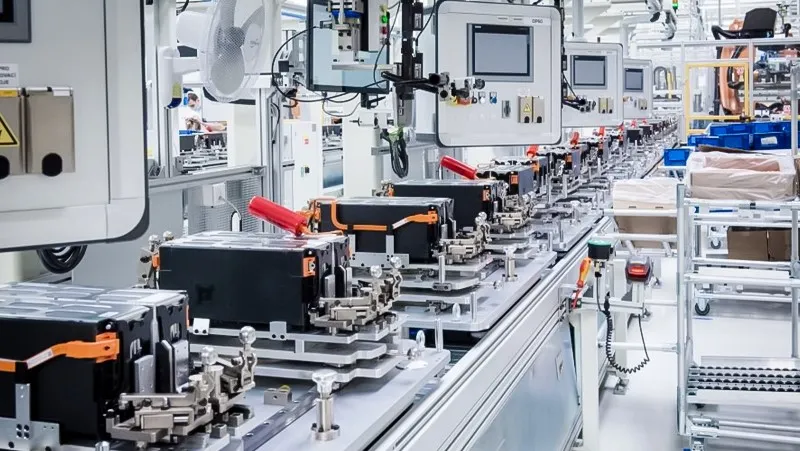
Why specialized chemical formulations and physical structures are essential for tropical marine installations.
The high humidity and saline atmospheres of São Tomé and Príncipe accelerate galvanic corrosion. Our export units feature marine-grade anti-oxidation coatings, isolated heat-sink chambers, and sealed enclosures preventing salt fog ingress into internal BMS circuit boards.
Equipped with intelligent battery management systems, our systems allow real-time monitoring of cell voltages, temperature gradients, and state-of-health (SoH). Active balancing protocols maximize usable cycle life in heavy-load discharge cycles.
Shipping hazardous materials like lithium-ion batteries requires rigorous testing. All UX Power export systems are fully certified with UN38.3, CE, IEC 62619, and MSDS documentation, ensuring compliant customs clearance at the Port of São Tomé.
Decentralized power deployment where centralized grid energy is absent or unstable.
Príncipe Island houses world-class eco-tourism lodges. Noise pollution from diesel generators conflicts directly with ecological branding. Our stackable LiFePO4 power stations, combined with solar arrays, enable zero-emission quiet zones, supplying power for cooling systems, high-speed starlink terminals, and lighting without interruption.
Securing stable power for telecommunications systems along the volcanic coastlines is vital for maritime safety. High-rate LiFePO4 batteries operate reliably under high thermal strain, serving as primary reserves for microwave links and automatic identification system (AIS) transponders.
Fresh catch cooling and organic cocoa fermentation facilities require stable energy to preserve harvest values. Deploying wheeled and modular industrial portable power stations prevents spoilages during multi-day grid dropouts, empowering local cooperatives to preserve trade value.
Vision: Allow power lithium batteries to be more unrestricted, delivering clean energy to the remotest corners of the globe.
Mission: Provide fast and accurate solutions for the complex and harsh application scenarios of power lithium batteries.
Core Value: Take every small step forward seriously, focusing on life-safety, longevity, and industrial durability.
As a leading exporter, our dedicated R&D team leverages 15+ years of design expertise, servicing over 100 global institutional partners with specialized configurations.
Future-proofing local deployments with continuous material science improvements.
By transitioning to premium raw materials and dense LFP structures, our future platforms aim to achieve over 6000 cycles at 80% Depth of Discharge (DoD), drastically lowering the levelized cost of storage (LCOS) for remote island operators.
Developing cloud-integrated monitoring systems to allow technical teams in Libreville, Lisbon, or Shenzhen to remotely inspect battery cell degradation profiles in São Tomé, minimizing local maintenance overheads.
Designing cells with modular assembly architectures, ensuring that batteries retired from heavy mobility applications (like e-scooters and electric utility vehicles) can be easily repurposed into stationary agricultural microgrids.
Explore our diverse commercial and residential lithium systems designed for seamless integration.
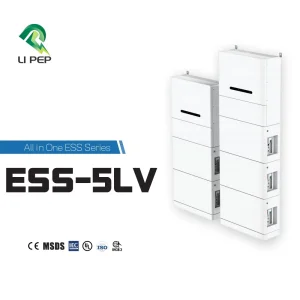
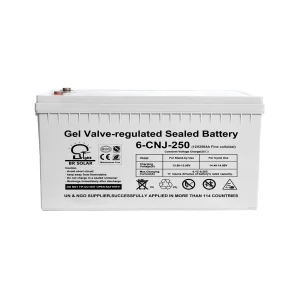
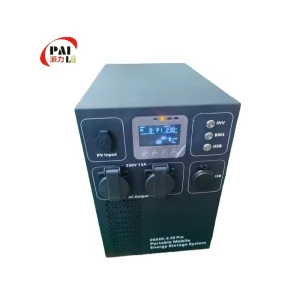
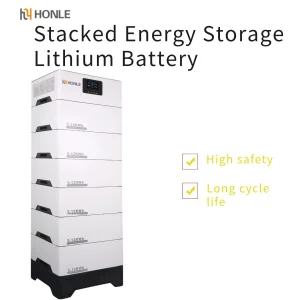
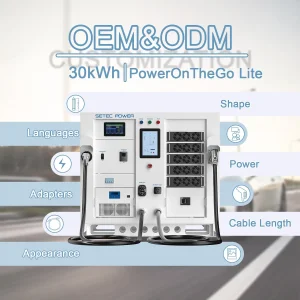
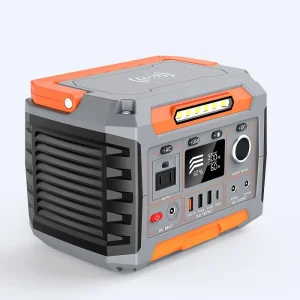
Expert insights on choosing, deploying, and maintaining lithium energy storage platforms in island environments.
LiFePO4 exhibits high thermal runaway thresholds (approx. 270°C compared to 150°C of NMC), making it inherently safer against fire risk in hot tropical environments. Additionally, LFP cells deliver 3000 to 6000 cycles at room temperatures, whereas NMC typically limits out around 1000 cycles. For isolated island operations with high daily load demand, LFP offers a substantially lower lifetime ownership cost.
Lithium batteries are classified as Class 9 Dangerous Goods. Exporters must supply valid UN38.3 certification, Material Safety Data Sheets (MSDS), and a certified marine packaging protocol (approved under IMO DG regulations). At the Port of São Tomé, customs clearance requires standard import declarations, invoices showing compliance certificates, and verification of non-hazardous physical packaging integrity.
Yes. Our integrated systems feature hybrid inverter controllers supporting multi-source input priority logic. You can program the BMS to prioritize photovoltaic (PV) generation during peak sunlight and use utility grid power or diesel generator outputs strictly as a secondary recharge mechanism during consecutive rainy days.
Saline air promotes electrochemical corrosion on structural joints and BMS components, potentially leading to short circuits. UX Power counters this hazard by utilizing conformal coatings on PCB assemblies, hermetically sealed IP65 chassis designs, and marine-grade stainless steel terminals, preventing salt air contact with critical copper pathways.
Production cycles at our 10,000㎡ plant typically take 25 to 35 days depending on standard versus custom configurations. Sea freight transit times from Chinese export hubs to the Port of São Tomé generally range between 40 and 55 days, depending on shipping line schedules and transshipment hubs in Western Africa.
Yes. As a manufacturer with 15 years of OEM heritage, we offer full design flexibility. This includes modifying system outputs (voltage configurations, pure sine wave inverter specifications), physical casing dimensions, terminal layouts, and packaging designs branded under your local private label.
UX Power provides comprehensive warranties ranging from 3 to 10 years, depending on the battery model. We offer modular spare replacement kits (BMS boards, individual cell blocks, wiring harnesses) and deliver remote video troubleshooting diagnostics. For large-scale municipal or commercial projects, training resources can be provided to local engineering teams.
To calculate sizing requirements, aggregate the total wattage of all equipment to be supported, multiply by the target hours of autonomous run-time required, and apply a 20% safety margin. For example, a system with a constant 1kW draw for 8 hours requires roughly 10kWh of lithium storage. Our application engineers can generate full load simulation reports upon request.
Get in touch with our engineering team for customized industrial specifications, local shipping rates, and complete pricing catalogs for São Tomé and Príncipe.
Send Inquiry Now UX Power