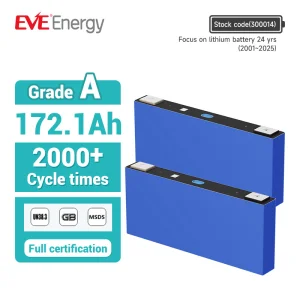
Explore our range of certified high-voltage, stackable, and modular lithium iron phosphate (LFP) energy storage units designed for marine, industrial, utility, and heavy equipment applications.
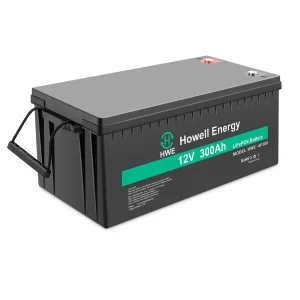
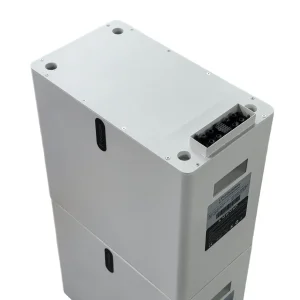
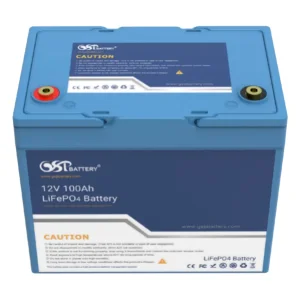
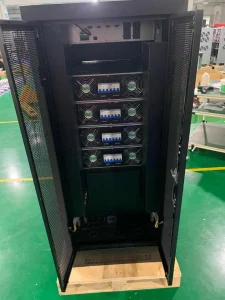
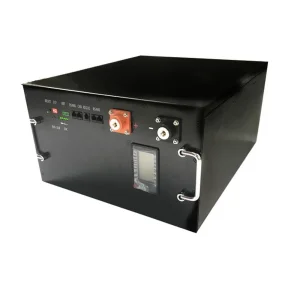
As the world transitions to decentralized, low-carbon power, high-voltage battery energy storage systems (BESS) have emerged as the foundational infrastructure for modern grids, heavy industrial facilities, and large commercial operations. Industrial environments are moving away from low-voltage configurations to capture the structural efficiencies of high-voltage setups.
Utility networks struggle to absorb rapid drops and surges from solar and wind farms. High-voltage energy storage act as dynamic buffers, utilizing frequency containment reserves (FCR) and automatic frequency restoration reserves (aFRR) to inject or absorb megawatts in milliseconds.
Global enterprise buyers focus on Levelized Cost of Storage (LCOS), calendar and cycle longevity, and strict thermal safety profiles. A high-voltage system reduces copper wire size and systemic heat dissipation, generating a direct saving in cooling infrastructure.
Strict regional grid compliance and battery fire safety mandates (such as EN 62619, CE, and NFPA 855) require factories to construct battery packs with triple-tier safety layers: physical, thermodynamic, and electronic monitoring.
For commercial facilities, high-voltage battery storage systems offer key operational advantages over low-voltage configurations:
UX Power is an innovative, high-technology enterprise focused on the research, development, assembly, and sales of lithium battery energy systems. Founded in 2009, we deliver safe, robust, and sustainable power lithium battery solutions to customers globally, powering the transition to new energy ecosystems.
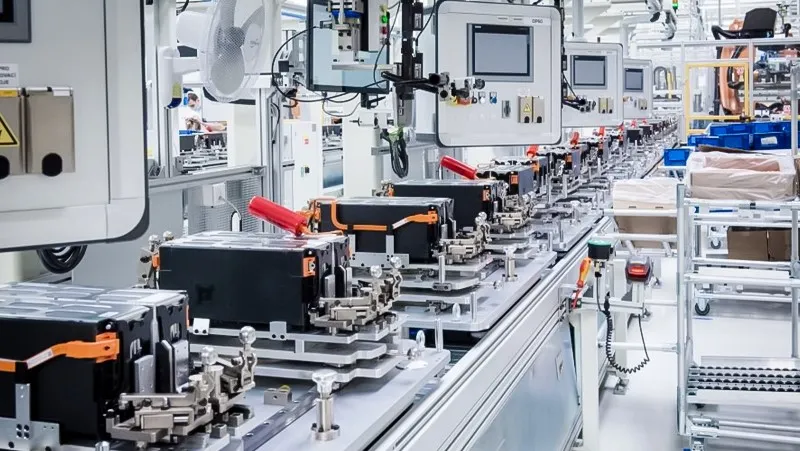
At UX Power, our factory processes utilize a smart manufacturing framework that minimizes human error. Our production lines feature high-precision cell sorting, automated laser-welding, and automated multi-stage cycle testers. To verify our products' endurance, our facilities are equipped with specialized testing spaces for EMC testing, physical drops, high vibration, mechanical shock, ingress protection (IP Rating), corrosion resistance, and thermal shock.
Our lithium battery technical center integrates structural engineering, power supply management, industrial design, firmware coding, and precision test procedures. Led by a team of over 30 engineers, we specialize in customizing high-voltage battery storage architectures. This complete spectrum of skills allows us to turn complex customer schematics into production-ready designs.
With an annual production capability of 2GWh, we manage scalable logistics channels to support large utility grid projects, UPS critical infrastructure rollouts, and OEM manufacturing agreements. This scalability guarantees stable component supply chains, consistent cell sorting, and timely delivery schedules for commercial installations.
Maximizing energy density and battery life in high-voltage designs requires advanced hardware engineering, fast-acting software controls, and a multi-tiered safety system. Below is our engineering blueprint for high-voltage energy storage architectures:
| System Architecture Component | Technical Design Standard | Operational Function |
|---|---|---|
| Lithium Cell Integration | Grade-A Prismatic LiFePO4 (LFP) Cells, matching internal resistance within ≤0.5mΩ | Guarantees cell-to-cell aging alignment, minimizing local hot spots and maximizing string life. |
| High-Voltage BMS Topology | Three-tier architecture (BMU, SBMS, MBMS) with active balancing | Monitors real-time thermal, current, and voltage parameters across thousands of series cells. Active balancing mitigates state-of-charge deviations. |
| Thermal Management | Liquid cooling or forced-air flow profiles with integrated cold-plate structures | Maintains the internal temperature delta across all modules within ≤3°C, preventing localized cell degradation. |
| Overcurrent & High-Voltage Isolation | Dual-polarity contactors, pyrofuses, and manual service disconnects (MSDs) | Enables safe manual maintenance procedures and disconnects high-voltage lines within milliseconds under fault conditions. |
| Integrated Fire Suppression | Aerosol or Novec-1230 gas systems with multi-point gas/heat detection | Provides early detection and automatic mitigation at the cabinet level to isolate and suppress thermal events. |
UX Power's R&D department is focused on next-generation energy storage innovations:
Developing solid polymer-electrolyte lithium cells to eliminate flammable liquid organic solvents, significantly reducing thermal propagation risks.
Implementing machine-learning algorithms in BMS firmware to predict battery State of Health (SOH) and detect potential micro-shorts before they happen.
Evaluating sodium-ion technologies for sub-zero operations and applications where cost-effectiveness outweighs raw energy density.
These values shape how we conduct our research, structure our manufacturing processes, and support our global B2B clients.
Allow power lithium batteries to be more unrestricted, delivering clean energy exactly where it is needed.
Provide fast, precise, and highly reliable solutions for the diverse application scenarios of industrial power lithium batteries.
Take every small step forward seriously, focusing on quality control, process efficiency, and client success.
UX Power operates as an established supplier of power lithium battery units to clients worldwide, offering products tailored for diverse usage scenarios.
Since 2009, we have designed, tested, and assembled high-voltage LFP packs, gaining deep experience in cell matching, cabinet safety, and system optimization.
We do not copy standard market designs. Our internal engineering department designs customized BMS boards, structural configurations, and enclosure parameters.
Our facilities feature automated grading systems, dynamic cell sorters, automatic spot welding, and advanced safety testing machines to ensure product reliability.
We provide full customization, tailoring voltage profiles, capacity levels, structural shapes, and connection protocols to fit your system space.
Our technical team handles project design queries, guides installation procedures, and manages replacement support quickly and efficiently.
We work with EPC contractors, solar distributors, and industrial plant owners worldwide, ensuring compliant customs shipping and reliable logistics.
Browse our industrial components, EV battery modules, primary cells, and smart chargers, all built to strict international safety standards.
 UX Power