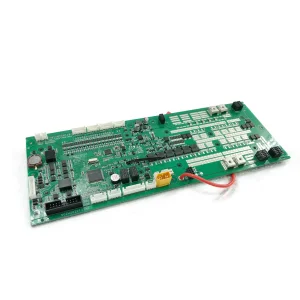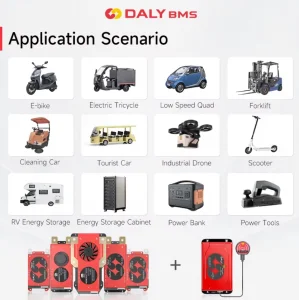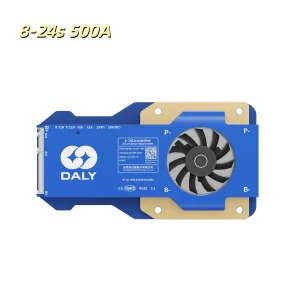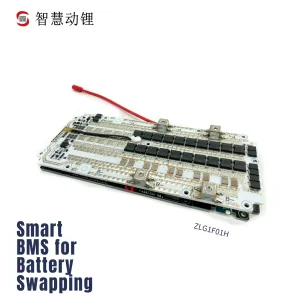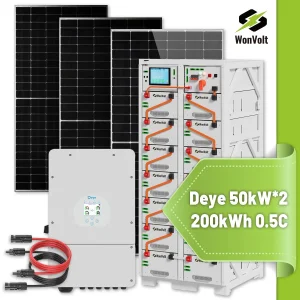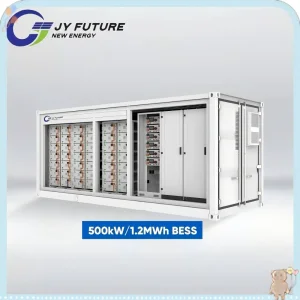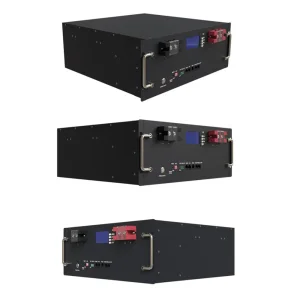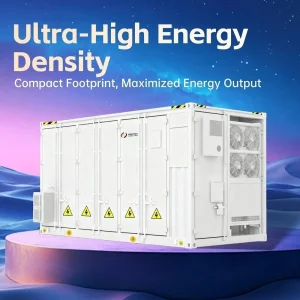
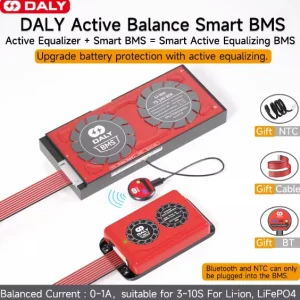
As the economic and industrial epicenter of Moldova, Chisinau is undergoing a rapid clean-energy transition. Amid integration efforts into Continental Europe's ENTSO-E power system, local commercial and industrial sectors face high requirements for power stability. Traditional grid facilities require scalable energy storage configurations to address grid frequency fluctuations, peak-demand charges, and supply interruptions. Implementing advanced Battery Management Systems (BMS) acts as a primary technical strategy to stabilize local grids and micro-grid sub-stations.
With the expansion of renewable capacity—primarily commercial solar arrays and biomass systems—across Moldova's rural hinterlands and industrial sub-zones (such as the Free Economic Zone "Bălți" - Chisinau sub-zone), battery safety and lifecycle management are essential operational metrics. Standard setups require real-time cell diagnostics, state-of-health (SOH) evaluations, and high-precision balancing. Our specialized line of high-voltage BMS and thermal management systems addresses these regional grid demands, allowing local enterprises to mitigate thermal risks and maximize return on investment.
UX Power is an innovative enterprise specializing in the research, development, production, and sales of high-performance lithium battery solutions and intelligence systems. Established in 2009, we have spent 15 years developing intelligent energy storage systems and high-current battery management architectures. By linking our high-capacity Chinese manufacturing base with local commercial sectors in Europe and Eastern Europe, we provide Chisinau-based clients with short lead times, robust engineering support, and customizable BMS platforms.
Allow power lithium batteries to operate without environmental or structural restrictions, utilizing smart balancing to extend life cycle limits.
Provide rapid, highly engineered power management solutions customized for regional industrial grids and urban micro-mobility hubs.
Take every technical and process development step seriously, ensuring total reliability for critical utility applications.
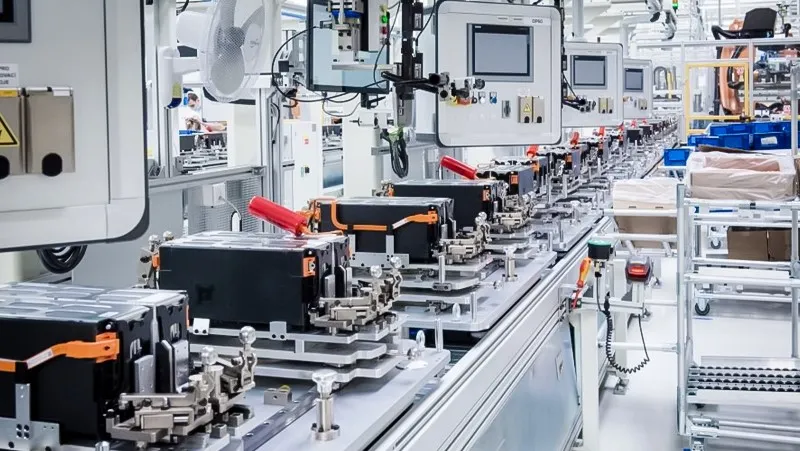
Our state-of-the-art facilities include advanced laboratories dedicated to validation testing across international protocols. Our products undergo a rigorous testing program, including:
The lithium battery module technology center encompasses professional technical fields such as industrial design, electronics, power supply, software, structure, process, and testing. The engineering team consists of over 30 specialists. By prioritizing customer requirements, we develop integrated customized solutions. Our custom designs accommodate diverse communications architectures, including CANbus, RS485, and Modbus TCP/IP, ensuring compatibility with your current power systems.
Procuring directly from a Chinese industrial manufacturer like UX Power offers significant advantages in cost, technology access, and supply chain control. The global battery supply chain relies on Chinese production hubs for critical battery metals, component fabrication, and quality control systems. Partnering with us provides local integrators and developers in Chisinau with high-specification battery management technology at cost-effective price points.
Extensive experience in developing power lithium battery packs, active balancing technologies, and commercial microgrids.
Continuous firmware updates, safety parameter optimizations, and customized communication interface setups.
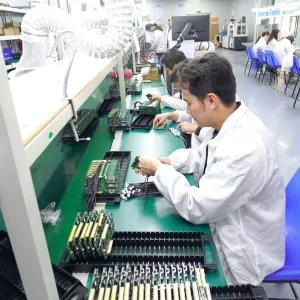
Automated SMT pick-and-place systems and laser diagnostic workstations ensure structural integrity on high-amperage boards.
Tailored hardware form factors, specific cell chemistry alignments (LFP, NMC, LTO), and parameter presets.
Expert guidance from design stage validation through to deployment and troubleshooting.
Supplying major operators worldwide, demonstrating reliability across telecom, EV, and grid storage applications.
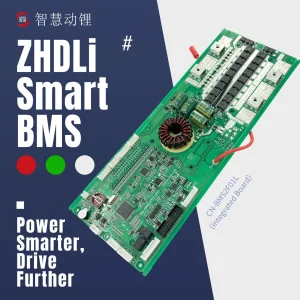
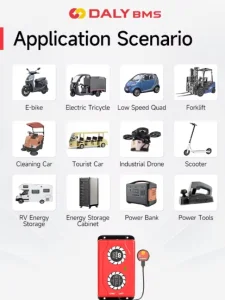
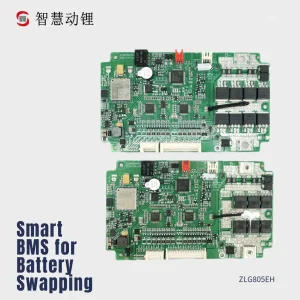
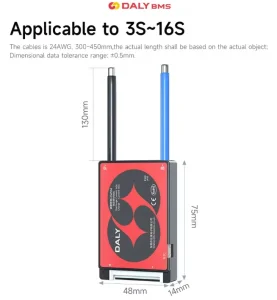
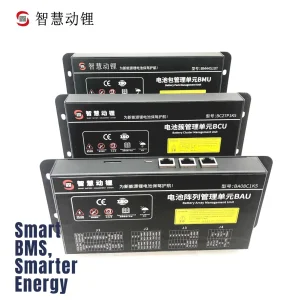
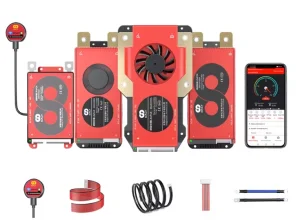
Modern Battery Management Systems have evolved from simple voltage monitors to active-balancing control systems. With the adoption of high-power lithium iron phosphate (LiFePO4) and lithium nickel manganese cobalt oxide (NMC) chemistries in energy grids, BMS technology must address dynamic thermal and electrical conditions. Key systems must monitor three core layers: data acquisition (voltages, current, temperature metrics), processing (state of charge estimation and safe operating area execution), and real-time interface communication.
For energy installations exceeding 100kW, conventional air cooling is often insufficient for maintaining uniform cell temperatures. High thermal variations degrade cells unevenly, accelerating system aging and reducing overall capacity. Integrating liquid-cooling pathways directly managed by intelligent BMS controllers ensures cell temperatures remain within a narrow, safe range (typically ±2°C). This thermal management increases cell life, optimizes safety, and lowers total cost of ownership.
Passive balancing burns off excess charge as heat, wasting energy. In contrast, active balancing redistributes charge from higher-capacity cells to lower-capacity ones. This process maximizes usable battery capacity, especially as cells age, and minimizes the risk of local hot spots inside the battery enclosure.
Active balancing transfers energy between cells rather than dissipating it as heat. This design increases system efficiency, reduces thermal buildup inside the enclosure, and extends the battery pack's overall life. It is especially beneficial for high-capacity applications like commercial energy storage systems.
We handle export logistics, compliance certificates (including UN38.3, CE, IEC 62619, and RoHS), and customs documentation. This comprehensive shipping support ensures efficient delivery to industrial centers and projects in Chisinau and the wider region.
Yes. Our systems support standard industrial communication protocols, including CANbus, RS485, and Modbus TCP/IP. This broad compatibility allows seamless integration with most commercial solar inverters and hybrid energy management systems on the market.
Standard prototype design and firmware mapping take approximately 2 to 3 weeks. Following client approval, tool design, pilot runs, and functional verification testing require an additional 4 to 6 weeks, depending on system complexity.
Our outdoor battery systems feature IP54 or IP65 rated enclosures. For harsh outdoor environments, we offer custom-engineered containment solutions designed to protect the system from moisture, dust, and temperature extremes.
Partner with an experienced OEM/ODM battery manufacturer. Get custom engineering support, reliable component supply, and competitive pricing for your energy projects.
 UX Power