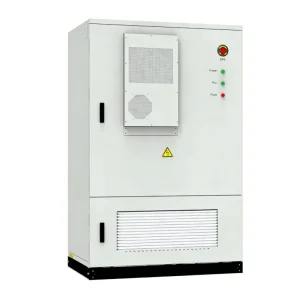
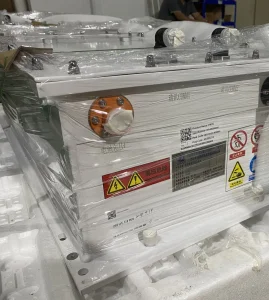
Engineered with precision thermal architectures to guarantee safety, maximize density, and optimize lifecycle longevity.
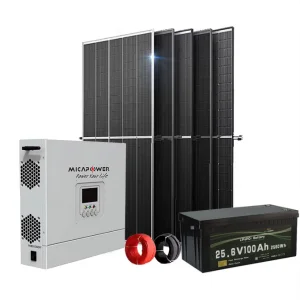
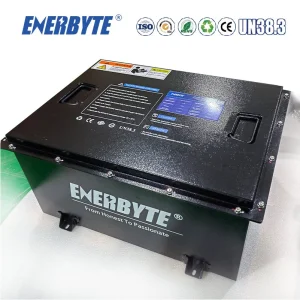
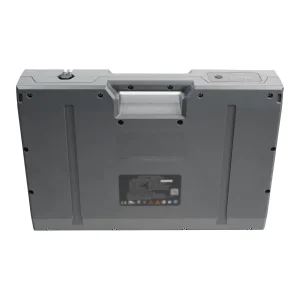
Modern battery electrification demands more than raw cell performance. As discharge loads scale and energy densities climb, the fundamental bottleneck for reliability shifts directly to thermal optimization. Effective Thermal Management Systems (TMS) serve as the central safety and performance architecture, neutralizing heat surges, mitigating the risks of catastrophic thermal runaway, and maintaining tight operating temperature windows.
Whether deploying high-capacity Liquid Cooling plates for grid-scale Battery Energy Storage Systems (BESS) or engineered heat sinks for electric vehicles, keeping lithium cell structures within their optimal thermal window (15°C to 35°C) is critical. Beyond security, precise heat dissipation reduces cell degradation rates, unlocking longer cycling horizons and significantly maximizing the Return on Investment (ROI) for global commercial fleets and utility systems.
Providing customizable, high-end power lithium battery integrations paired with state-of-the-art thermal architecture for over 15 years.
UX Power is a highly innovative, specialized enterprise dedicated to the research, development, assembly, and custom production of next-generation power lithium batteries and thermal systems. Since our foundation in 2009, we have served an international clientele, developing solutions that elevate density, protect cell chemistry, and withstand challenging environments.
Our core philosophy, "Take every small step forward seriously," underpins our investment in custom industrial designs, safety labs, and testing equipment. By coupling advanced Battery Management Systems (BMS) with high-efficiency thermal architectures, we deliver unmatched system-level longevity for electric vehicles, off-grid systems, and large-scale industrial arrays.
Every power system leaves our facility after completing strict compliance validation for absolute field safety.
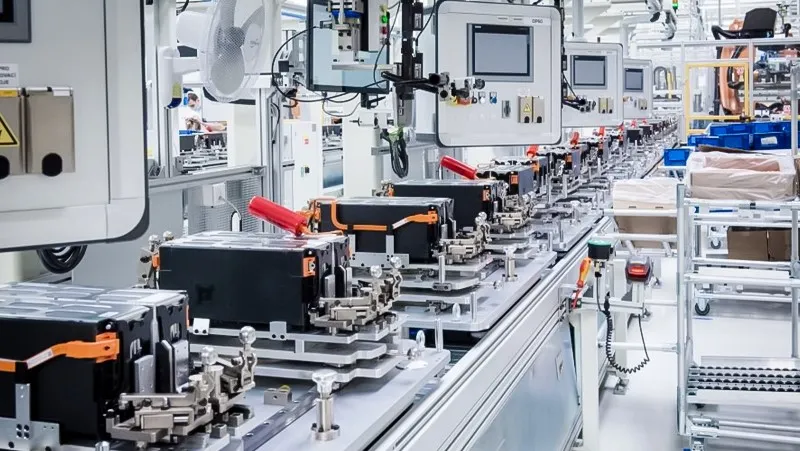
Utilizing fully automated assembly protocols to limit human variance, we ensure consistency across cell groupings. Specialized testing centers analyze electromagnetic compatibility (EMC), mechanical drops, continuous vibration cycles, and thermal shock vulnerability.
With an internal engineering team of over 30 professionals, our capabilities span structural engineering, power firmware, electronic hardware design, software development, thermal flow dynamics modeling, and long-term cycle validation.
Equipped with robotic wire bonders, automated sorting, and high-voltage aging labs, we fast-track raw ideas into high-volume components. Custom OEM tooling requests are supported by streamlined validation stages to minimize time-to-market.
Evaluating technological vectors reshaping heat dissipation architectures within high-rate applications.
While air cooling remains cost-effective for small battery packs, the industry is transitioning to liquid cooling for utility-scale BESS and high-voltage electric commercial vehicles. Liquid systems feature up to 3.5x higher heat transfer coefficients, maintaining minimal delta-T variations across dense cell arrangements to reduce hotspot-induced cell degradation.
Modern cooling is no longer a passive cycle. Advanced architectures connect dynamic sensors to the Battery Management System (BMS). Using real-time state-of-charge (SoC), state-of-health (SoH), and micro-temperature fluctuations, the BMS adjusts coolant pump velocity or air-flow volume before critical thermal conditions occur.
Integrating Phase Change Materials (PCM) with conductive cooling fins allows systems to absorb high peak thermal loads during fast-charging cycles without drawing battery power. PCMs store latent heat and release it gradually as ambient temperatures settle, enhancing energy density and efficiency.
International safety certifications (such as UL9540A and UN38.3) require that single-cell failures do not trigger adjacent thermal runways. Today's OEM designs integrate custom aerogel sheets, ceramic barriers, and pressure-relief venting to isolate individual cells, protecting the broader installation.
Global developers and industrial OEMs face stringent sourcing challenges when integrating energy storage modules. Thermal architectures must satisfy distinct climate variations, voltage ranges, and installation footprints. When selecting a strategic supplier, purchasing teams look closely at the following core attributes:
Is the ratio of battery storage space to structural cooling components optimized for maximum density?
Can the system maintain cell-to-cell differences within 3-5°C during high-rate discharges?
Are the selected cooling interfaces chemically compatible with the specified dielectric fluids or water-glycol mixtures?
Leveraging intelligent automation, component localization, and integrated supply networks to provide cost-effective OEM solutions.
By sourcing extrusions, thermal interface materials, CNC machining, and BMS electronics locally, we control production quality and reduce lead times for custom projects.
Advanced tooling and streamlined cell-matching lines improve throughput and lower production costs. This efficiency translates to competitive pricing for our global clients.
Our modular tooling setup adapts quickly to design revisions. This agility allows us to support both specialized prototype runs and large-scale industrial orders efficiently.
Every sector requires specific thermal architectures. Our custom design capabilities address these unique operating parameters.
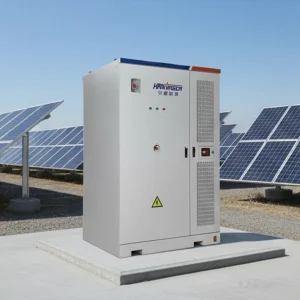
Industrial storage enclosures (from 100kWh to multi-megawatt configurations) experience high static loads. Our integrated cooling plate architectures minimize delta-T variations, preserving uniform aging profiles and preventing hotspot creation across series-connected cell strings.
Mining machinery, golf carts, and delivery vehicles demand high surge currents, generating significant heat. Our cooling designs integrate vibration-damping mounts, protective structural channels, and robust sealing to protect systems under demanding physical conditions.
Marine vessels and remote off-grid cabins operate in environments with high humidity and salt spray. Our systems feature hermetically sealed enclosures (IP67 or IP68), corrosion-resistant coatings, and passive cooling architectures to ensure reliable performance without continuous maintenance.
Data centers and healthcare facilities rely on modular UPS arrays that require immediate power output during unexpected outages. Our high-conductivity heat sink assemblies handle rapid thermal surges, ensuring safety while keeping grid equipment fully protected.
Answers to key engineering questions about designing, configuring, and upgrading thermal management systems.
Engineered to support heavy equipment, UPS systems, and large-scale industrial storage networks.
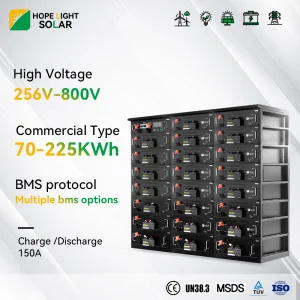
 UX Power