In modern industrial design, weight is no longer a passive variable; it is a critical performance barrier. As global enterprises shift away from traditional heavy energy mediums, the demand for high-gravimetric-density lithium-ion and lithium iron phosphate (LiFePO4) systems has surged exponentially. The target is simple yet technically demanding: maximize capacity (Wh) while minimizing physical mass (kg).
This paradigm shift has established China as the foundational hub for advanced battery production. Leveraging a dense, vertically integrated supply chain, Chinese manufacturers can orchestrate everything from raw lithium precursor synthesis to automated cell-level packing. For industrial buyers, understanding these technological benchmarks is crucial for securing long-term product durability and supply chain reliability.
The global battery landscape is moving towards chemistry customization. In sectors like commercial drones (UAVs), high-altitude defense systems, portable medical devices, and light electric vehicles (LEVs), conventional packaging methods fail to meet necessary weight-to-power budgets. The industry is currently defined by three technological frontiers:
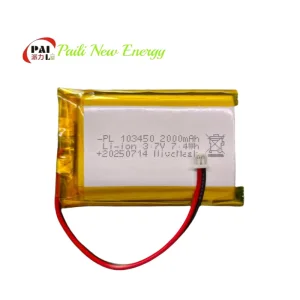
Traditional cylindrical steel-cased batteries are increasingly being replaced by laminated aluminum pouch-packaged lithium polymer cells. Pouch cells reduce dead weight by up to 25% compared to metallic canisters, presenting the ideal configuration for UAVs and smart portable terminals.
Weight optimization is no longer just physical; it is operational. Modern lightweight packs integrate ultra-thin, high-efficiency Battery Management Systems (BMS). Using protocols like CANbus, RS485, and Modbus, these systems prevent runaway, balance cells, and monitor thermal shifts dynamically.
The elimination of liquid electrolytes represents the next evolutionary leap. Semi-solid state lithium batteries reduce organic solvent volume, which significantly decreases non-active component weights while drastically improving thermal runaway thresholds.
Procuring industrial lithium batteries requires rigorous technical evaluation. B2B clients, engineering firms, and OEMs need solutions that balance density with stringent functional safety and regulatory compliance.
China's dominance in the lightweight lithium battery ecosystem is driven by advanced production efficiency and resilient supply chains. The integration of "Industry 4.0" practices ensures consistent output quality, cost control, and rapid manufacturing scale:
Vertical Material Integration: Access to regional processing centers for anode, cathode, and high-purity lithium salts eliminates international transit delay risks and minimizes raw material cost volatility.
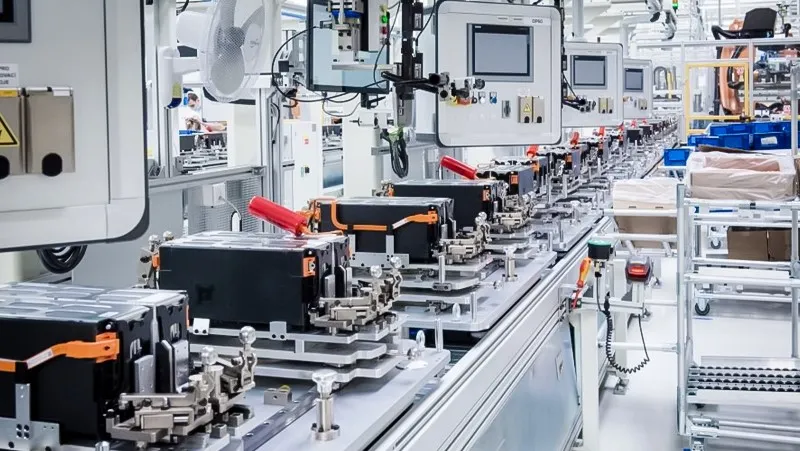
High-Precision Automated Assembly: Laser welding, automatic sorting machines, and AI-driven optical scanning systems verify connection resistance down to milliohm specifications, eliminating human error in production.
Advanced Testing Infrastructure: Facilities feature local environmental chambers for continuous vibration, high-G shock, humidity aging, and complete electromagnetic compatibility (EMC) testing.
UX Power is an innovative enterprise that focuses on the research and development, production, and sales of new energy power lithium batteries. Since our establishment in 2009, we have been committed to providing global customers with efficient, safe, and sustainable power lithium battery solutions, promoting the rapid development of the new energy power industry.
Professional R&D Team: The lithium battery module technology center encompasses professional technical fields such as industrial design, electronics, power supply, software, structure, process, and testing. The engineer team consists of about 30 people or more. It mainly focuses on the needs of customers' power lithium battery modules and provides customers with one-stop customized solutions and products with a complete range of technical fields.
High-Quality and High-Efficiency Production Capacity: The production capacity of a factory is a crucial indicator for measuring its operational efficiency and market competitiveness. To achieve high-quality and high-efficiency production capacity, we have invested in advanced production equipment and technologies to ensure the automation and intelligence of the production process, reduce human errors, and increase the production speed.
15 years of experience in the production and development of power lithium batteries, establishing a robust database of practical use cases across varying environments.
Our dedicated core research and development team holds multiple utility patents, specializing in structural design and custom battery management circuits.
Equipped with industry-standard automated tooling, we ensure high cell-matching precision, consistent internal resistance values, and volume output stability.
From visual industrial design to custom PCB development, mechanical structural CAD rendering, prototyping, and test verification, we manage the entire lifecycle.
Our dedicated support team provides global field engineering support, rapid warranty responses, and custom packaging for transport safety compliance.
As a supplier of power lithium batteries for various companies around the world, we can provide products for various application scenarios, assuring delivery continuity.
Different industries require unique structural designs and electrochemical formulations. Here is how specialized battery setups perform in target real-world environments:
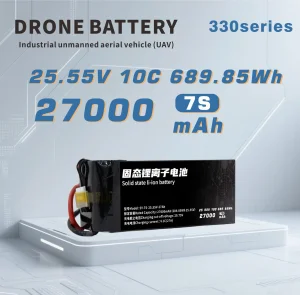
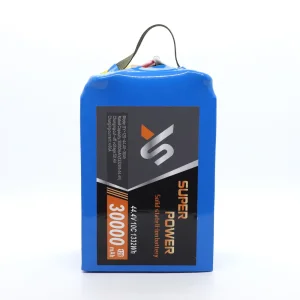
In high-altitude drone operations, battery weight directly limits payload capability and flight duration. Utilizing high-rate Lithium Polymer (Li-Po) pouch cells allows UAVs to optimize density while providing discharge capacities necessary for complex aerial operations.
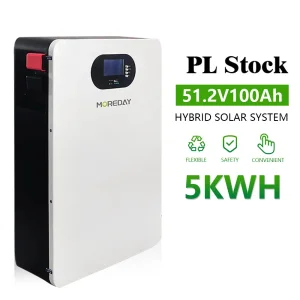
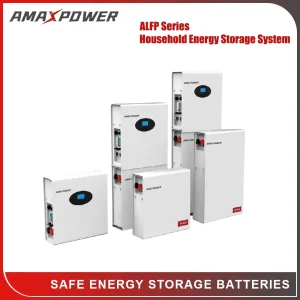
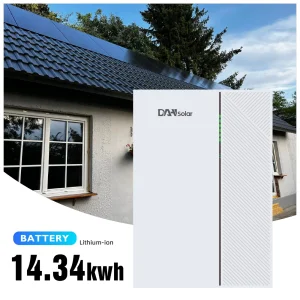
Traditional lead-acid storage systems demand significant floor space and structural support. By integrating wall-mounted LiFePO4 packs, homeowners and light commercial systems achieve higher safety margins and compact installations with neat wall layouts.
Within logistics warehouses, robotic automated vehicles run continuously. Lightweight batteries permit rapid fast-charging cycles and ease floor load stresses. This improves terminal throughput and overall warehouse efficiency.
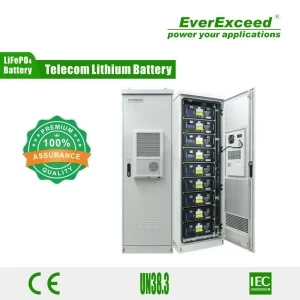
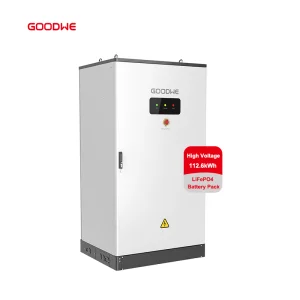
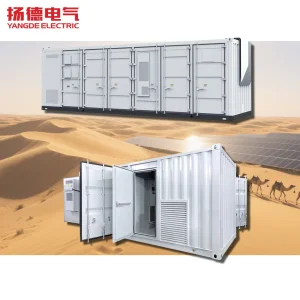
Remote telecommunication nodes often run on solar-diesel microgrids. High-energy, lightweight cabinet modules (such as customizable 48V telecom battery solutions) simplify deployment in hard-to-reach geographic locations and provide consistent backup power.
Intelligent Production Mode: UX Power has always been attentive to every detail to provide high-quality products. The super first-class factory management mode, along with the equipped relevant facilities, as well as the EMC, drop, vibration, shock resistance, waterproof, corrosion resistance, and thermal shock test laboratories, ensure each power lithium battery of UX Power.
Through our dedicated laboratory configurations, each battery module undergoes a battery of stresses to guarantee safety before dispatch:
Simulates rough transport and operations through mechanical shock, multi-axis harmonic vibration table tests, and standardized drop testing limits.
Pushes thermal envelopes with high/low temperature testing, humidity cycling, waterproof chamber verification, and salt-spray corrosion tests.
Comprehensive overcharge, short circuit testing, forced cell discharge, electromagnetic compatibility (EMC) alignment, and BMS functional loop checks.
The primary difference lies in the packaging density and shell construction. Lightweight lithium batteries generally use aluminum-laminated pouch cell packages rather than heavy cylindrical steel housings. Additionally, structural brackets are fabricated from carbon fibers or high-strength plastics, optimizing active electrode material distribution while minimizing passive mass.
Through our Industry 4.0 grading protocols. Cells are sorted automatically based on internal resistance (tolerance within ±0.5 mΩ), capacity variance (within ±10mAh), and open circuit voltage (within ±2mV). Only highly matched cells enter the assembly process to prevent uneven cell aging and maximize package lifespan.
Yes. Our in-house electronics R&D team configures custom firmware supporting RS485, CANbus, Modbus, and Bluetooth communications. This enables real-time monitoring of State of Charge (SoC), State of Health (SoH), temperature thresholds, and balance loops matching your host device requirements.
UX Power products conform to strict international transportation rules. All models hold valid UN38.3 test documentation, MSDS profiles, and meet UL1973, CE, and IEC62619 product standard compliance rules, simplifying hazardous goods shipping clearance processes.
For custom configurations, design files and CAD drawings take 3–5 working days. Sample fabrication and compliance testing require 15–20 days. Large production batches average 30–45 days depending on component availability and cell type allocations.
 UX Power