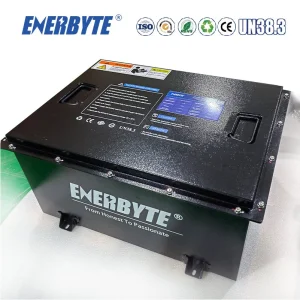
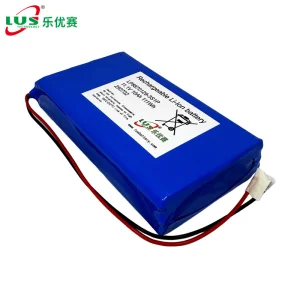
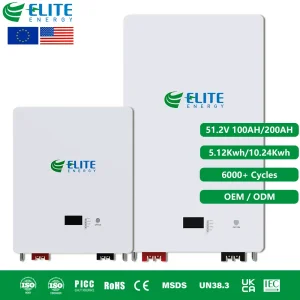
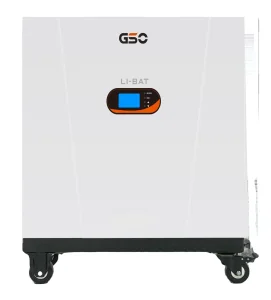
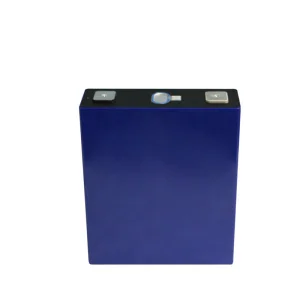
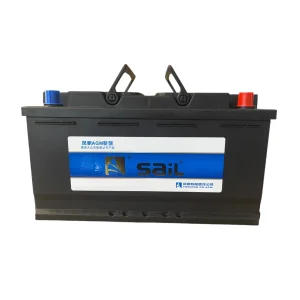
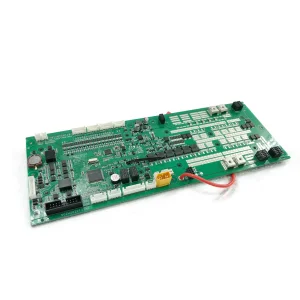
As the global transportation sector pivots toward net-zero emissions, the electrification of public transit fleets has moved from pilot programs to full-scale deployment. At the heart of this revolution lies the Electric Bus Battery—a sophisticated engineering feat requiring high energy density, thermal safety, and extreme cycle life durability.
China holds a dominant position in the Li-ion battery value chain, currently producing over 70% of the world's EV batteries. For procurement managers and procurement officers at bus manufacturers, the advantages of sourcing from Chinese factories like UX Power include:
The electric bus sector is witnessing significant technological shifts:
UX Power is an innovative enterprise that focuses on the research and development, production, and sales of new energy power lithium batteries. Since its establishment in 2009, we have been committed to providing global customers with efficient, safe, and sustainable power lithium battery solutions.
Lithium batteries OEM experience.
Proportion of R & D personnel.
Factory building area.
Annual production capacity.
Super first-class factory management mode, equipped with EMC, drop, vibration, shock resistance, and thermal shock laboratories.
Engineer team of 30+ people focused on industrial design, electronics, and customized modular battery solutions.
Advanced automation and intelligence in the production process to reduce human errors and increase output speed.
Modern LiFePO4 bus batteries can last between 3,000 to 5,000 full charge cycles, which equates to roughly 8-10 years of intensive operation, depending on the charging protocols and temperature management.
We utilize an intelligent Battery Management System (BMS) that monitors every individual cell. Our laboratory testing includes thermal shock and puncture tests to ensure compliance with global safety regulations like UN38.3.
Yes. As an OEM manufacturer with an independent R&D team, we specialize in one-stop customized solutions for industrial, commercial, and mobility applications based on specific voltage and capacity requirements.
 UX Power