Engineered to comply with Swiss environmental mandates and Lac Léman commercial navigation standards.
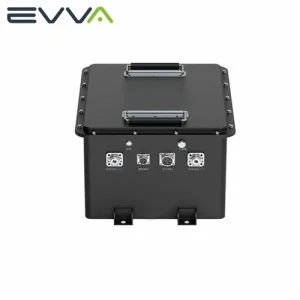
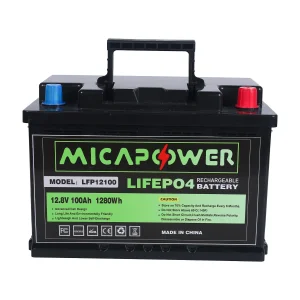
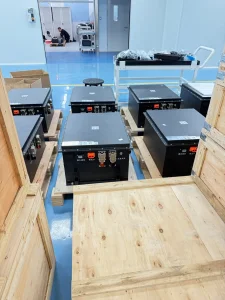
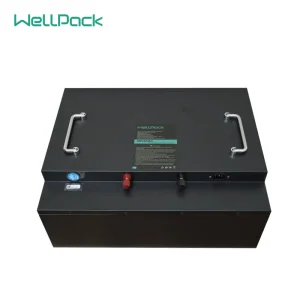
Geneva, situated at the southwestern tip of the expansive Lake Geneva, is driving a structural energy transition across its maritime sector. Driven by Swiss national carbon-reduction frameworks and strict cantonal regulations, operators on Lac Léman are converting commercial fleets and luxury private crafts away from internal combustion engines. This transition is not merely environmental; it is legally backed by stringent emission and acoustic limits set by local Swiss authorities.
From the iconic Mouettes Genevoises (water taxis) to the larger tourist ferries operated by the CGN (Compagnie Générale de Navigation sur le lac Léman), there is a massive shift toward full electrification and hybrid propulsion systems. The local marine battery market demands unmatched reliability. Lac Léman’s cold alpine waters during winter, paired with intense summer heat, subject energy storage systems to harsh thermal variations. Battery cells must be integrated with intelligent cooling and active heating systems, and conform to Swiss Federal Office of Transport (FOT) safety protocols.
Additionally, Geneva's premium marina ecosystem—such as Port Noir and the Société Nautique de Genève—requires high-voltage fast-charging infrastructure. This demand translates directly to marine battery packs that can support high-rate C-charging profiles, active liquid thermal management, and seamless integration with localized off-grid solar buffers.
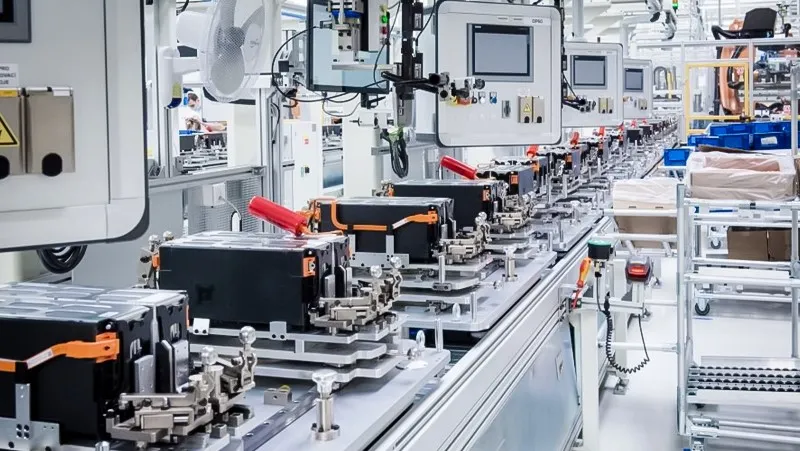
Understanding the technical paradigms shaping modern watercraft propulsion globally.
The transition from traditional lead-acid configurations to Lithium Iron Phosphate (LiFePO4) and Lithium Nickel Manganese Cobalt (NMC) chemistry is accelerating. Globally, vessel designers are selecting chemistry based on space limits and energy density. LiFePO4 offers unmatched cycle life (5000+ cycles at 80% DoD) and safety, while NMC delivers the energy density required for high-speed hydrofoils and compact displacement hulls.
Standard marine batteries rarely fit the complex hull architectures of custom yachts and electric commuter ferries. Standardized modules often result in dead space and suboptimal weight distribution. Global procurement managers demand customized structural designs, modular scalability, and communication interfaces that support NMEA 2000 and Victron CAN bus integrations.
Safety is the primary hurdle in marine battery deployment. Thermal runaway containment, IP67/IP68 water ingress prevention, and salt-mist corrosion protection are non-negotiable. Leading marine batteries must secure CE, UN38.3, and IEC 62619 certifications. System designs must incorporate multi-tiered Battery Management Systems (BMS) with redundant contactors.
China is the global center of the lithium-ion battery supply chain, accounting for over 70% of the world's chemical refining, cell manufacturing, and battery assembly. Partnering with a Chinese manufacturer like UX Power offers significant advantages in cost-efficiency, technology, and supply chain speed.
Dedicated to the research, development, and high-quality production of custom marine batteries since 2009.
Allowing power lithium batteries to perform dynamically and safely in the most demanding marine and industrial environments across the globe.
Providing fast, engineered, and precise solutions optimized specifically for unique physical layouts and demanding discharge profiles.
Taking every small step forward seriously—from double-checking cell matching to micro-testing BMS software layers for absolute reliability.
At UX Power, we recognize that a single failing cell can compromise an entire marine power system. Our facility implements a super first-class factory management structure. We have invested heavily in testing facilities, including electromagnetic compatibility (EMC) chambers, mechanical shock and drop machinery, long-term vibration tables, waterproof submersion tanks, and thermal shock chambers. Every batch of marine lithium batteries shipped to Geneva and other global destinations carries full traceability data, giving clients confidence in their performance and safety.
How our advanced marine lithium configurations serve the specialized watercraft of Geneva.
Luxury yachts sailing on Lake Geneva require silent, emissions-free auxiliary power to run air conditioning, navigation suites, and stabilizers overnight without idling diesel generators. Our 12V and 24V LiFePO4 battery banks integrate with Victron Energy systems to provide continuous, high-draw AC power silently.
Commercial water taxis operating daily shuttle routes in Geneva demand fast charging and reliable cycle lives. Our 96V to 400V high-voltage lithium battery solutions support fast C-rate charging during short passenger boarding intervals, maximizing operational uptime.
Private lakeside boat houses and marine facilities in Switzerland utilize solar arrays to buffer charging stations. Our custom 48V telecom/PV grade batteries store solar energy during peak sun hours and discharge it to boats, easing pressure on the local grid.
Key technical parameters global purchasing managers must evaluate to guarantee long-term ROI.
Marine environments are among the most challenging for electrical systems. When importing custom lithium batteries, procurement managers must evaluate several critical areas:
We provide comprehensive engineering support files for every custom system order. This includes CAD designs, detailed wiring diagrams, BMS register maps, and compliance documentation required by international customs and local maritime safety inspection offices.
Our engineering support simplifies integration, reducing safety audit approval times for vessel designers and builders in Geneva and worldwide.
Answering the primary technical questions posed by naval architects and commercial operators.
Lithium Iron Phosphate (LiFePO4) is the preferred choice for commercial vessels due to its high thermal stability, long cycle life (5,000+ cycles at 80% DOD), and inherent safety against thermal runaway. While NMC chemistry offers higher volumetric energy density suitable for high-speed, space-constrained vessels like hydrofoils, LiFePO4 delivers superior lifetime cost-efficiency and safety for standard commercial displacement hulls.
Yes. Our custom Marine Battery packs are built with advanced BMS boards that communicate using CAN bus, RS485, and Modbus protocols. We configure our BMS telemetry to integrate with Victron Venus OS devices (Cerbo GX), NMEA 2000 multi-function displays (MFDs), and other marine charge controllers, providing complete system visibility and control.
Charging standard lithium batteries below freezing (0°C) can cause lithium plating and degrade the cells. For cold Alpine climates like Geneva, UX Power integrates internal silicone heating pads managed by the BMS. When charging is initiated in freezing conditions, the BMS directs power to the heating element first, bringing cell temperatures up to safe charging levels before initiating current flow.
We use marine-grade 316 stainless steel or heavy-duty powder-coated aluminum enclosures. Seams are sealed with custom gaskets to meet IP67 and IP68 ratings. Internally, PCBs are treated with thick conformal coatings to protect components against condensation, humidity, and salt spray.
We supply all certification documentation, including CE declarations, UN38.3 test reports for safe transport, and MSDS sheets. For commercial marine projects, we provide test records aligning with IEC 62619 and ISO standards to satisfy local Swiss safety inspections.
High-cycle batteries, modular custom packs, and power storage systems configured for Swiss yachting, utility fleets, and commercial vessels.
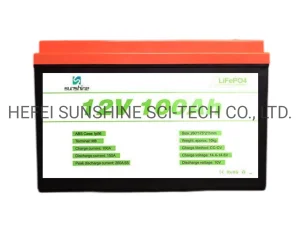
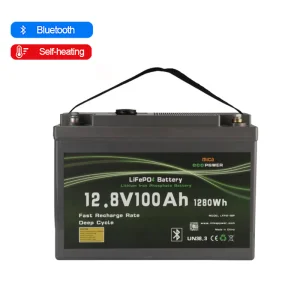
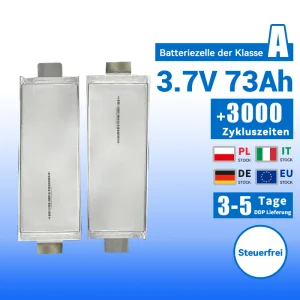
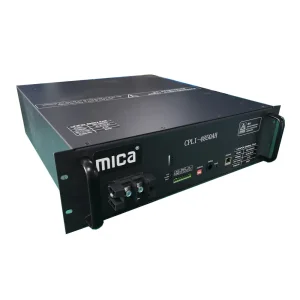
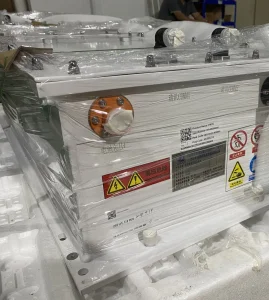
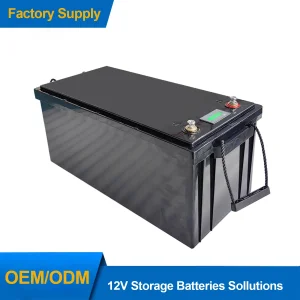
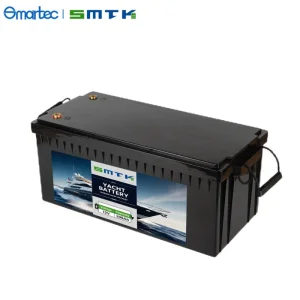
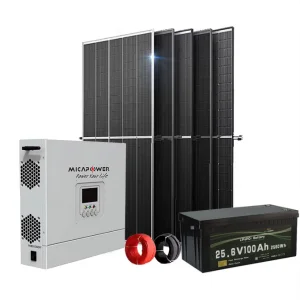
Providing technical consistency and structural longevity for custom commercial marine systems.
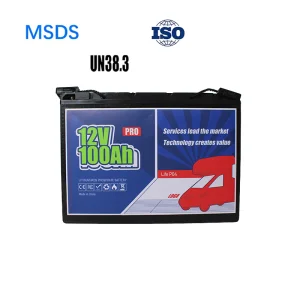
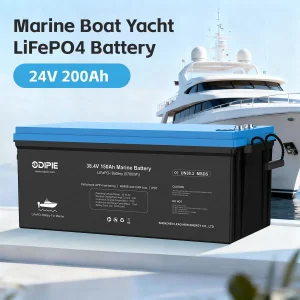
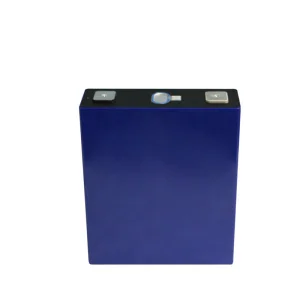
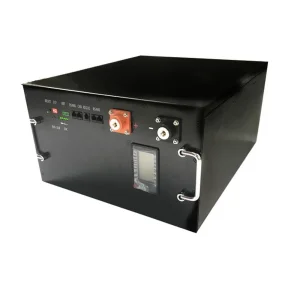
Discuss your technical configuration, cell chemistry preferences, and custom volume pricing options with UX Power engineering representatives today.
Send Inquiry Now UX Power