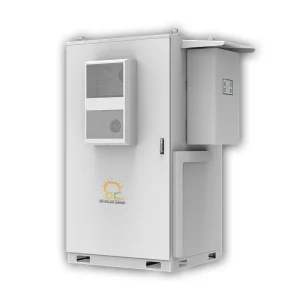
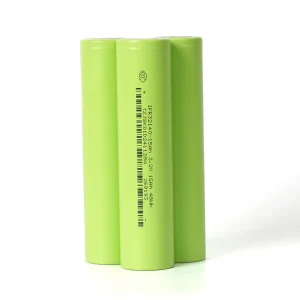
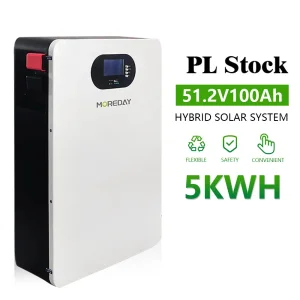
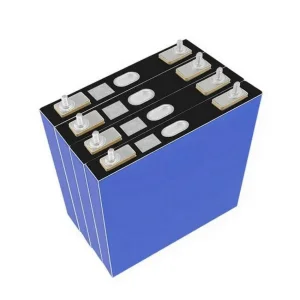
Explore our top commercial, industrial, and utility-scale containerized battery storage configurations and advanced battery components designed for global exporters.
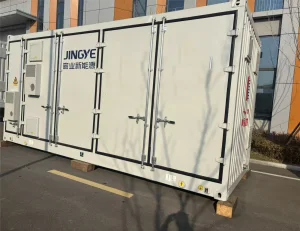
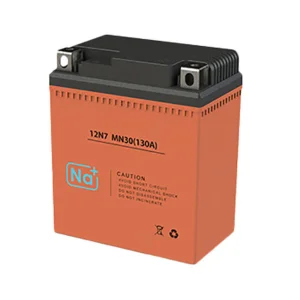
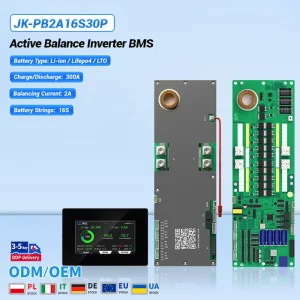
In the global transition toward zero-carbon grids, renewable power intermittency remains a major challenge. Wind and solar fluctuations necessitate highly scalable, reliable, and deployable energy storage. Containerized Battery Energy Storage Systems (BESS) have emerged as the industry gold standard, offering plug-and-play installation, optimized foot-print densities, and sophisticated thermal and fire-suppression mechanisms. China’s supply chains sit at the epicenter of this industrial evolution, offering massive economies of scale and vertically integrated value chains.
From individual cell manufacturing (LFP/Sodium-Ion) to complex thermal engineering (liquid cooling, HVAC) and smart software integration (BMS/EMS), China's export ecosystem accounts for more than 75% of global output. Sourcing from experienced Chinese manufacturers enables EPCs, project developers, and IPPs to mitigate procurement bottlenecks while securing state-of-the-art technological advancements.
Standardized ISO 20ft and 40ft containers achieve up to 5MWh+ capacity configurations using high-density 314Ah cells, reducing footprint by 30%.
Switching from forced-air cooling to intelligent microchannel liquid cooling reduces temperature deltas to less than 3°C, extending battery lifespan.
Multi-tier security involving off-gas detection, aerosol/water sprinkler systems, deflagration panels, and certified UL9540A architectures.
Designed with grid-forming inverters and fast-response active and reactive power control for ancillary services and primary frequency response.
UX Power is an innovative enterprise focusing on the R&D, manufacturing, and international export of advanced lithium battery systems. Established in 2009, we provide global customers with efficient, safe, and sustainable BESS configurations to unlock optimal return on investment.
Allow power lithium batteries to be more unrestricted, breaking spatial, geographical, and environmental barriers globally.
Provide fast and accurate solutions for the complex application scenarios of power lithium battery units worldwide.
Take every small step forward seriously, ensuring that product quality and engineering excellence remain our ultimate goal.
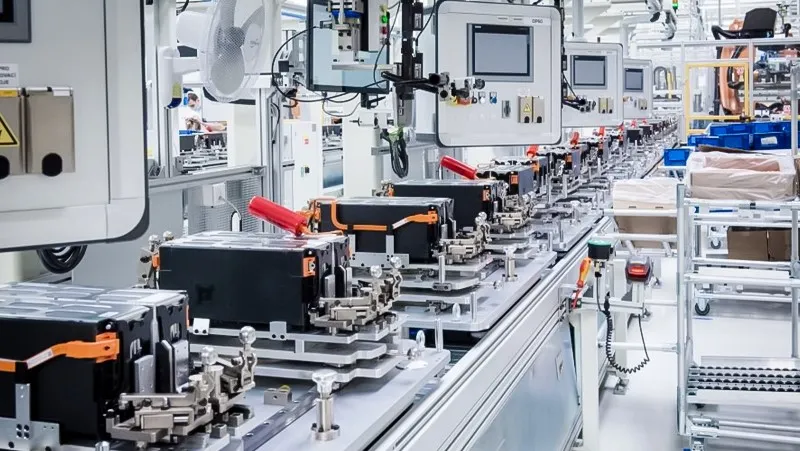
UX Power implements a super-first-class factory management mode combined with industry-leading diagnostic facilities. Our internal infrastructure encompasses laboratories designed for EMC, drop testing, vibration, mechanical shock resistance, waterproofing, corrosion resistance, and thermal shock testing, ensuring each battery meets rigorous parameters prior to packaging and export.
The module technology center has comprehensive engineering departments specializing in industrial design, power electronics, embedded software, structural integrity, thermal simulation, and electrical testing. A team of more than 30 dedicated engineers supports one-stop custom solutions from original product concepts up to grid-level deployment.
Equipped with advanced automated laser welding stations, high-accuracy charge-discharge testing cabinets, and robotic assembly systems to ensure cell consistency and zero structural defects.
We address unique customer demands with specialized designs spanning voltage outputs, enclosure dimensions, communication protocols (CAN/RS485), and marine certifications.
A responsive technical support team coordinates remote and on-site troubleshooting, performance optimization, and modular component replacements worldwide.
International procurement agents, EPCs, and grid developers must evaluate key technical metrics to secure grid compliance and long-term financial viability. Here is how leading Chinese manufacturers address global sourcing requirements:
| Procurement Parameters | Technical Industry Expectations | UX Power Solutions | |
|---|---|---|---|
| Battery Chemistry | LFP (Lithium Iron Phosphate) or Sodium-Ion for safety and cycle performance. | A-grade EVE 314Ah, CATL modular configurations, and fast-charging Sodium-Ion options. | |
| Cycle Life & Degradation | > 6,000 to 8,000 cycles at 80% DOD (Depth of Discharge). | Advanced module sorting, active balance systems, and strict temperature controls. | |
| Thermal Management | Air or Liquid cooling with < 3°C temperature differential across the entire unit. | Optimized liquid-cooling flow designs and integrated HVAC systems. | |
| Safety Compliance | UL9540, UL9540A, NFPA 855, CE, IEC 62619, and UN38.3 certifications. | Fully compliant architectures with multi-tiered security, off-gas detection, and fire suppression. | |
| BMS/EMS Interoperability | Seamless Modbus, CAN, and Ethernet connectivity with mainstream PCS brands. | Integrated JK and proprietary BMS configurations supporting multiple protocols. |
Containerized energy storage serves diverse grid topologies, offering clean backup and smart distribution.
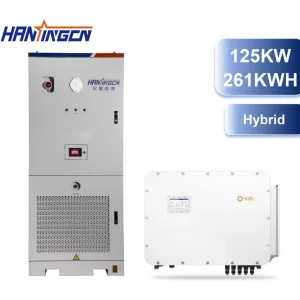
Industrial enterprises use BESS to reduce peak demand charges, shift electricity usage to off-peak periods, and supply critical uninterruptible power. Integrating 150kWh to 250kWh units provides substantial operational resilience and cost savings.
Integrating massive multi-megawatt battery containers (e.g. 5015kWh systems) directly into transmission grids allows operators to regulate frequency, perform voltage support, and absorb excess wind/solar production.
For remote locations and islands relying on diesel, integrating containerized storage with monocrystalline solar panels creates microgrid systems that reduce fuel usage and operating costs.
The energy storage sector is entering a phase of rapid chemical and architectural shifts. Key technological trends driving the future of BESS include:
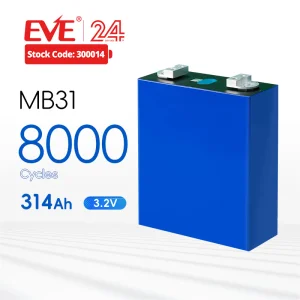
Compared to legacy 280Ah cells, the 314Ah configuration offers higher energy density within the same physical dimensions. This allows container systems to achieve over 5MWh of capacity in standard 20ft enclosures, reducing balance of system (BOS) costs, wiring complexity, and footprint.
Air cooling relies on HVAC ventilation, which can lead to larger internal temperature variations (up to 5-8°C). Liquid cooling channels coolant directly through the battery plates, keeping temperature variations within 3°C. This smaller temperature range helps extend cell life, maintain safety, and improve energy efficiency.
North American installations typically require UL 9540 (system safety), UL 9540A (thermal runaway propagation testing), and NFPA 855 compliance. In the European Union, CE, IEC 62619, and IEC 63056 certifications are necessary to verify electrical safety and environmental performance.
Sodium-ion batteries offer excellent low-temperature performance, fast-charging capabilities, and a reliable raw material supply. While their energy density is lower than lithium-ion, their ability to discharge and charge in cold climates makes them suitable for engineering machinery and starter applications.
UX Power employs automated production systems, automatic sorting, and continuous laser welding. Each module undergoes testing for EMC, drop tolerance, vibration, and thermal shock, ensuring quality control before shipment.
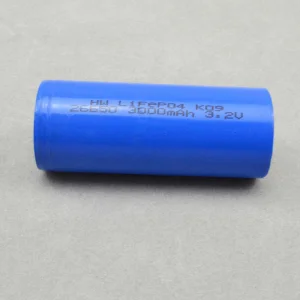
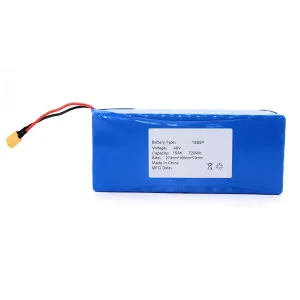
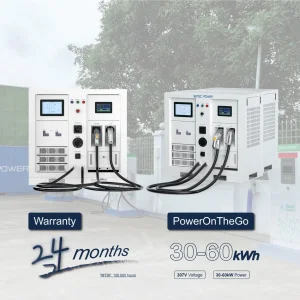
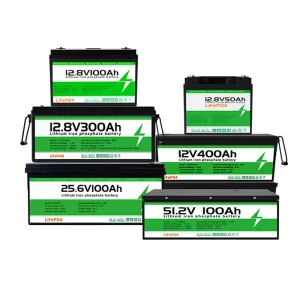
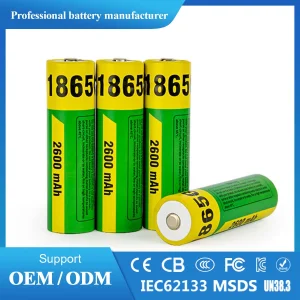
Source high-grade storage components, high-discharge battery packs, and cylindrical cells directly from our factory lines.
 UX Power