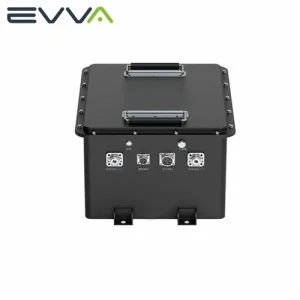
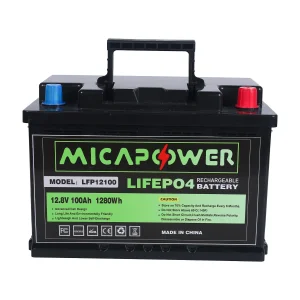
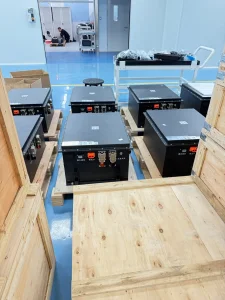
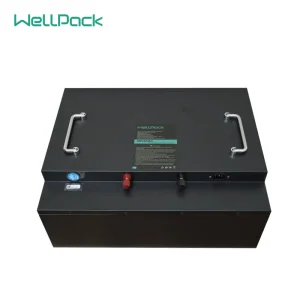
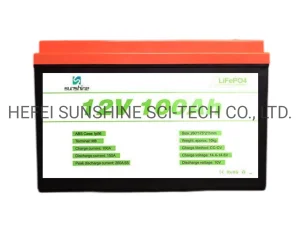
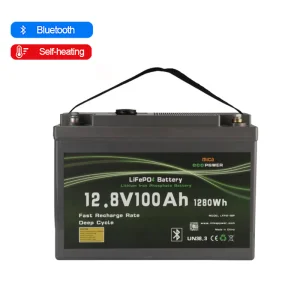
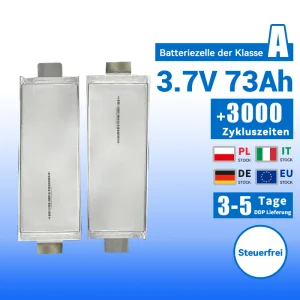
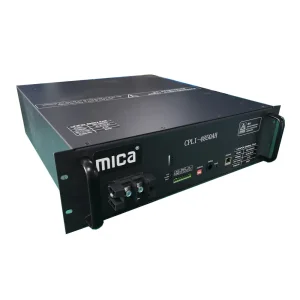
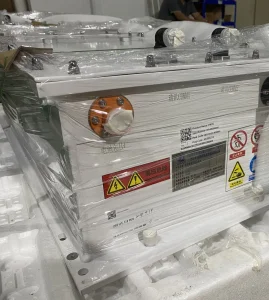
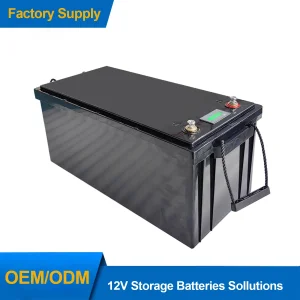
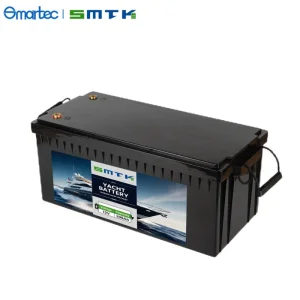
Engineered specifically to counter low atmospheric pressure and freezing temperatures in Lesotho’s highland reservoirs.
The global maritime industry is experiencing a massive paradigm shift. Traditional lead-acid batteries and internal combustion auxiliary systems are rapidly being phased out in favor of advanced Lithium Iron Phosphate (LiFePO4) and Lithium Nickel Manganese Cobalt Oxide (NMC) chemistries. Driven by international decarbonization mandates, the search for high operational safety, and the long-term economics of energy storage, shipbuilders and utility operators worldwide are standardizing on smart lithium battery architectures.
Unlike automotive battery applications, marine grade lithium batteries face extreme environments: persistent moisture, high humidity, physical vibrations, saltwater corrosion, and temperature swings. For modern utility craft, security patrol boats, aquaculture barges, and tourism ferries, a battery pack is not merely a component; it is the core of operational viability, communication integrity, and propulsion safety.
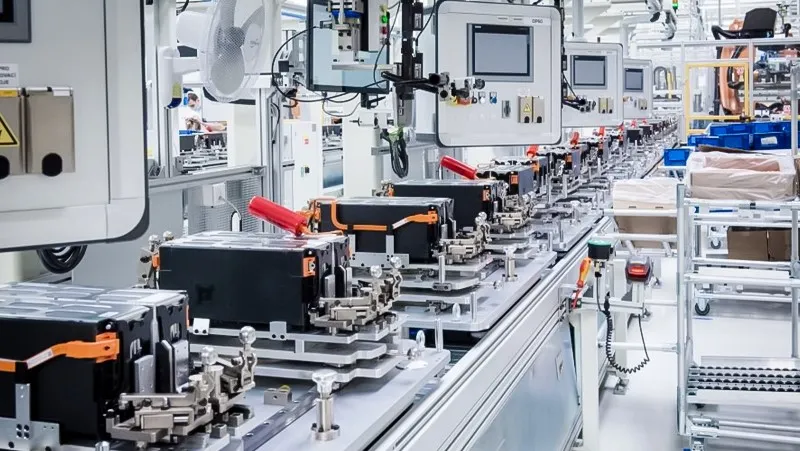
Understanding the engineering challenges of operating electronic storage systems in the "Kingdom in the Sky".
Lesotho occupies a unique geographic status. Entirely situated above 1,400 meters elevation, it is defined by rugged mountainous terrains and the vital waters of the Lesotho Highlands Water Project (LHWP). Large, high-altitude reservoirs like the Katse Dam (elevation 2,050m) and the Mohale Dam (elevation 2,075m) form the backbone of the region’s hydraulic and aquaculture activities. These vast freshwater bodies support commercial fish farming (such as high-value trout production), regional eco-tourism boating, and water resource monitoring operations.
However, operating electronic propulsion systems and battery storage units at these high altitudes introduces complex challenges. Atmospheric pressure is significantly lower, reducing air density and altering heat dissipation characteristics. Crucially, Lesotho experiences freezing winters where mountain temperatures regularly drop below 0°C. Standard lithium batteries fail under cold-temperature charging, as lithium plating can occur within the anode, leading to cell degradation and short-circuits.
UX Power meets these specific challenges by introducing specialized heating elements integrated directly into our battery management systems (BMS), ensuring seamless charging and discharging capabilities down to -20°C. Our export models destined for the Lesotho market are built to perform reliably at high altitudes, providing robust energy infrastructure for aquaculture, utility monitoring boats, and remote telecommunications stations.
Founded in 2009, UX Power is an innovative, high-tech enterprise focused entirely on the research, development, production, and global supply of new energy lithium batteries. Over the last 15 years, we have scaled our operations to support industrial partners across more than 100 countries, delivering customized, high-safety energy solutions.
Our infrastructure includes a state-of-the-art 10,000㎡ manufacturing facility boasting an annual production capacity of 2GWh. We believe that innovation dictates product lifecycle; hence, R&D personnel comprise 30% of our workforce, ensuring we stay at the forefront of cell design, BMS algorithms, and high-altitude thermal engineering.
Our structured approach to ensuring E-E-A-T compliant design for high altitude applications in Lesotho.
We choose Lithium Iron Phosphate (LiFePO4) as our core chemistry for marine applications. LFP provides unparalleled thermal stability, has zero cobalt dependency, offers 5,000+ cycles at 80% DOD, and is virtually immune to thermal runaway compared to standard NMC pouch cells. While NMC excels in high energy-to-weight ratios (which we use for high-power hydrofoil and race watercraft), LFP remains the safest and most economically viable selection for utility platforms, residential-commercial solar back-ups, and commercial operations in Lesotho.
In the freezing winter zones of Maseru, Mokhotlong, and Thaba-Tseka, standard battery storage can experience capacity fade or complete system lockout. UX Power packs feature a BMS-controlled self-heating film layer. When the system detects a charging input below 0°C, the incoming energy is routed to internal heating elements first, raising the core temperature of the cells to a safe 5°C before charging begins. This process is fully automated, preserving cell longevity and protecting critical transport crafts.
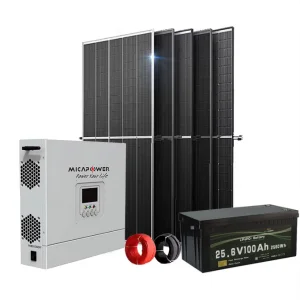
Highly customizable configurations tailored for integration with Victron energy systems and local PV installations.
Exporting advanced electrical storage technologies to landlocked countries like Lesotho requires strong operational knowledge of the Southern African Development Community (SADC) trade rules. UX Power handles all regional logistics, ensuring compliance with South African port transits (Durban Port) before overland shipping to Maseru and regional hubs. We provide comprehensive import documentation, customs clearance assistance, and technical compliance certificates to minimize delays at the border.
Our localized support structure guarantees that distributors, energy contractors, and government utility partners have direct access to engineers. From diagnostic tools to custom-programmed BMS configurations, our team ensures that local engineers are fully trained in the maintenance and monitoring of our LiFePO4 packs.
Our development framework for integrating next-generation solid-state chemistry and IoT cloud diagnostics.
The future of battery management lies in proactive diagnostic monitoring. UX Power is developing built-in telemetry systems that stream key health diagnostics—internal cell voltage, charge cycles, temperature, state of charge (SoC), and diagnostic fault flags—via cellular or satellite networks. In remote locations like Mokhotlong, maintenance teams can monitor storage assets remotely from a centralized control room in Maseru, reducing downtime and optimizing maintenance schedules.
Lesotho's massive clean energy potential lies in combining hydropower with solar energy. Our marine lithium batteries are designed to connect easily with off-grid micro-grids. Acting as high-capacity energy sinks, our batteries absorb excess hydropower during off-peak night cycles and combine it with solar generation during the day, maintaining a stable, uninterrupted electrical supply for rural communities.
Detailed answers on operating, managing, and maintaining high-altitude marine lithium battery packs.
At high elevations (above 2,000 meters), heat dissipation efficiency is reduced because the air is less dense. UX Power manages this by optimizing cell spacing within the module and utilizing specialized thermal management plates that dissipate heat conduction-wise through the aluminum chassis, bypassing the reliance on air convection cooling.
Standard LiFePO4 cells cannot be charged below 0°C without risk of permanent damage. UX Power's winter-resilient series integrates a smart BMS-controlled heating film. The heating system utilizes incoming power to warm the cells to 5°C before initiating the charge cycle, protecting your investment.
We comply fully with UN38.3 packaging guidelines for the transport of lithium-ion batteries. Typically, batteries are shipped via sea to Durban Port in South Africa and then transported by certified overland carriers to Maseru, Lesotho. All necessary trans-shipment permits and dangerous goods customs documentation are fully managed by UX Power.
Yes. Our BMS system supports communications protocols compatible with major solar inverter and charge controller brands (including Victron Energy, SMA, and Growatt). Operating parameters like charge cut-off voltages can be monitored and managed directly using our integrated Bluetooth application.
Consult our engineering and export team to customize battery pack dimensions, voltages, communication options, and heating parameters for your project in Lesotho.
Send Inquiry Now UX Power