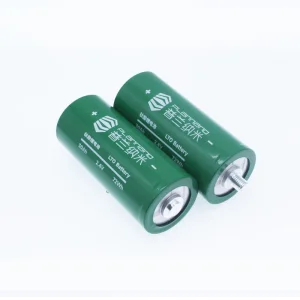
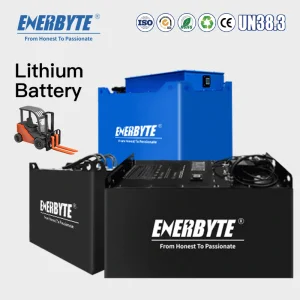
Specially selected fast-charging battery systems tailored to meet the dynamic grid support, commercial shipping, and robust temperature-tolerance requirements of the Algiers metropolitan region.
Whitepaper Analysis of North Africa's Gateway Energy Market Transitions
As the largest city and economic center of Algeria, Algiers is undergoing a profound energy and industrial transformation. Driven by the national agenda of the **Algerian Renewable Energy and Energy Efficiency Program**, local municipal planning and industrial entities in regions such as the Rouiba and Reghaia Industrial Districts are looking at robust energy storage to offset peak grid loads and enhance grid stability. Fast-charging batteries are no longer a luxury but an infrastructure necessity, serving critical roles in public transportation grid buffer systems, telecommunication base stations, marine terminal operations at the Port of Algiers, and backup installations in local medical hubs.
The Mediterranean coastal climate, combined with seasonal extreme summer heat, puts significant thermal stress on stationary and mobile energy storage. Traditional battery chemistries degrade rapidly under rapid cycling and ambient temperatures exceeding 40°C. Advanced fast-charging solutions incorporating custom Smart BMS (Battery Management Systems) are critical for preventing thermal runaway while cutting charge cycles from hours to under 30 minutes, allowing local operations to run continuously without lengthy downtimes.
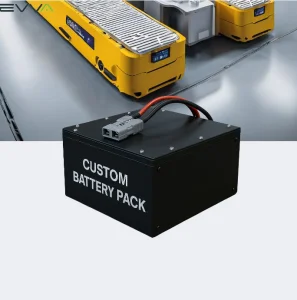
Algiers' strategic position as a Mediterranean logistics hub demands zero-downtime shipping facilities. Container ports, warehousing developments, and smart manufacturing sites increasingly rely on AGVs (Automated Guided Vehicles), mobile robotic material handlers, and electric material handlers. Deploying rapid-charging lithium and sodium-ion batteries in these areas ensures high-speed logistics loops remain uninterrupted. Our OEM/ODM customized battery configurations offer optimized solutions for deep discharge recovery, thermal tolerance, and lightning-fast power replenishment.
A global leader in research, development, and supply chain of next-generation lithium battery solutions since 2009.
UX Power is an innovative enterprise focusing on the research, development, production, and sales of new energy power lithium batteries. Since our inception in 2009, we have been committed to providing global customers with efficient, safe, and sustainable power lithium battery solutions, driving the global transition toward cleaner, faster, and smarter power architectures.
Allow power lithium batteries to be more unrestricted and safely applicable across all environmental challenges.
Provide fast, stable, and highly accurate solutions for customized applications of power lithium batteries globally.
Take every small step forward seriously, prioritizing structural battery safety and material reliability above all.
Ensuring compliance, reliability, and custom engineering for industrial partners in Algiers and beyond.
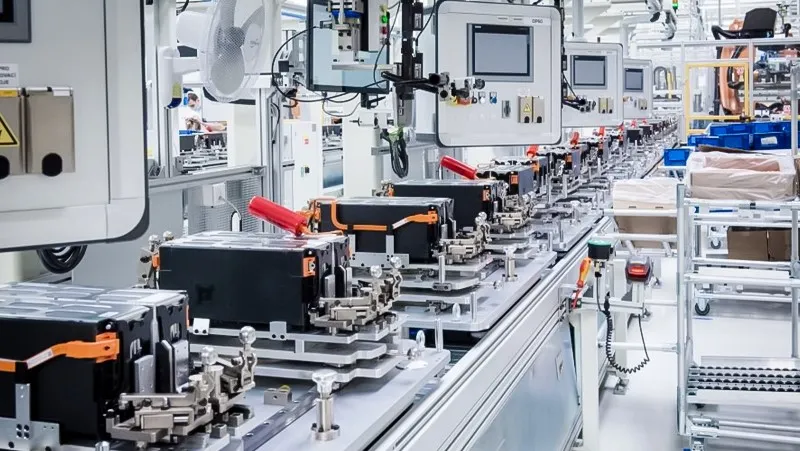
UX Power has always been attentive to every detail to deliver high-quality, long-life products. Our first-class factory management system features state-of-the-art test laboratories for Electromagnetic Compatibility (EMC), drop testing, vibration analysis, shock resistance, waterproofing, corrosion resistance, and thermal shock testing. These ensure that every single cell and module shipped to Algiers meets rigorous international standards.
Our lithium battery module technology center encompasses specialized fields including industrial design, electronics engineering, software programming, structural analysis, and process testing. With a core engineering team of 30+ specialists, we focus on matching specific customer requirements to deliver one-stop OEM/ODM customized battery pack solutions.
15 years of dedicated manufacturing and R&D in high-performance lithium battery solutions.
A leading in-house core team of engineers designing optimized battery management systems (BMS).
Equipped with advanced automated assembly, spot welding, and sorting systems to scale output securely.
Complete product design from cells, casing, communication protocols, to final testing and global shipment.
Supporting over 100 industrial partners worldwide with optimized maritime customs clearing solutions.
Direct technical assistance and quick cycle feedback to keep industrial batteries operating flawlessly.
Analyzing thermal stability, cycling life, and fast charging C-Rates for regional integration.
Operating lithium, lead carbon, and sodium-ion technologies in Algiers requires careful consideration of battery chemistry limitations. Extreme ambient heat causes normal cells to experience rapid grid corrosion and structural breakdown of the anode/cathode coatings. Understanding the baseline advantages of each chemistry helps engineering teams select the optimal system for industrial machinery, AGVs, or stationary utility storage.
| Chemistry Type | Ideal C-Rate Range | High-Temp Threshold | Typical Cycle Life | Key Advantage in Algiers |
|---|---|---|---|---|
| LiFePO4 (LFP) | 0.5C to 2C+ | Up to 60°C | 4,000 - 6,000 Cycles | Maximum thermal stability and safety under load |
| Lead Carbon | 0.2C to 0.5C | Up to 50°C | 2,000 - 3,500 Cycles | Excellent partial state of charge (PSOC) recovery |
| Sodium-Ion | 1C to 3C+ | -40°C to 65°C | 2,500 - 4,000 Cycles | Exceptional low/high temp tolerance & raw material safety |
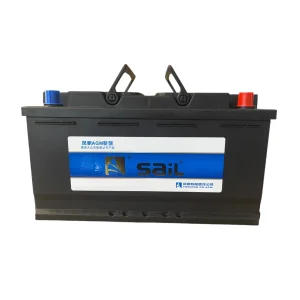
| AGM Start-Stop | 0.2C to 0.3C | Up to 45°C | 1,200 - 1,800 Cycles | Reliable cold-cranking amps & sealed maintenance-free design |
Lithium Iron Phosphate (LiFePO4): Known for structural integrity and high chemical safety limits, LiFePO4 modules are the standard choice for materials handling, AGVs, and logistics equipment in the Port of Algiers. LFP handles rapid charging profiles safely when managed by custom smart-BMS configurations that monitor temperatures across all cell rows.
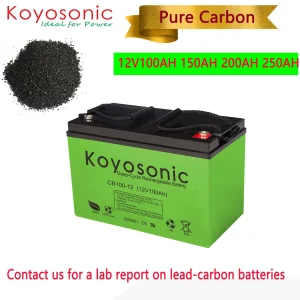
Lead Carbon Batteries: A fusion of lead-acid batteries and supercapacitors, this technology offers an cost-effective alternative for telecommunication backup installations in Algiers where rapid charge acceptance is needed. They perform reliably in Partial State of Charge (PSOC) modes, preventing sulfation even in erratic local grids.
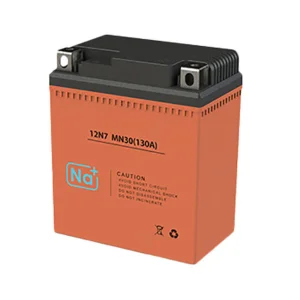
Sodium-Ion Batteries: A major technical breakthrough, sodium-ion offers outstanding performance across extreme temperature ranges. As sodium is abundant, these cells present a reliable supply chain alternative for regional large-scale energy storage system (BESS) integration, maintaining capacity even in extreme desert/coastal humidity transitions.
How UX Power bridges precision Chinese battery manufacturing with logistics hubs in Algiers
Global procurement of critical electronic components requires highly dependable supply chains. UX Power maintains structured export pipelines directly to Algiers. Our deep understanding of importing rules, custom requirements at the Port of Algiers (Entreprise Portuaire d'Alger), and compliance with the Algerian National Standard Agency (IANOR) ensures smooth shipping clearances. By utilizing streamlined transit routes from Shenzhen/Shanghai ports to Algiers, we reduce transit times and optimize freight costs for local distributors and industrial buyers.
All battery exports must strictly adhere to the technical safety certificates mandated by the Algerian Ministry of Energy and Mines. Our batteries are certified under CE, UN38.3, RoHS, IEC62619, and UL standards. This ensures that every battery cargo delivered to our partners in Algiers stands fully verified for safety, performance, and legal compliance.
By leveraging UX Power's 10,000㎡ modern manufacturing center and annual 2GWh capacity, we support high-volume contracts for corporate entities, telecommunication operations, and municipal developers. Our design engineers configure each cell configuration, BMS protocol, and external housing to thrive in the heat, dust, and coastal humidity of Algiers, maximizing investment returns and reducing ongoing maintenance expenses.
A comprehensive inventory of high-efficiency, industrial-grade power solutions built to thrive under demanding operational conditions.
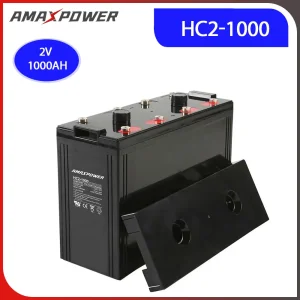
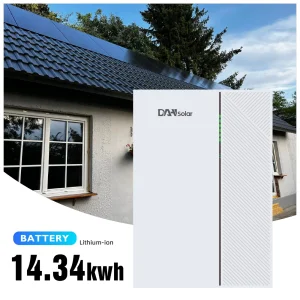
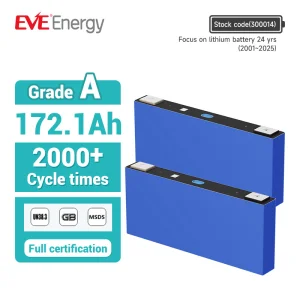
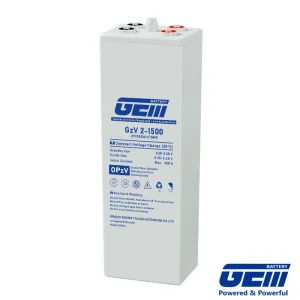
Addressing user search intent, environmental factors, and procurement protocols in North Africa.
High ambient temperatures act as an acceleration catalyst for side reactions within battery cells. For standard lithium-ion chemistries, operating at 40°C+ without active thermal management can accelerate capacity fading by up to 30% annually. Our battery packs are integrated with intelligent Battery Management Systems (BMS) that actively manage thermal parameters, utilizing premium grade prismatic cells with expanded temperature envelopes (up to 60°C). This allows rapid charging while preventing thermal runaway, preserving cell lifespan over thousands of full discharge/charge cycles.
Traditional lead-acid batteries degrade rapidly if they are not fully recharged after each cycle, a state known as Partial State of Charge (PSOC). Solar applications in regions like Algeria experience dust storms and cloudy periods, preventing batteries from receiving a complete charge. Lead carbon batteries address this by adding highly conductive carbon to the negative plate, which resists sulfation and enables significantly faster charging. This structure allows them to operate reliably in partial states of charge and offers up to three times the cycle life of traditional deep-cycle AGM batteries.
Importing battery systems into Algeria requires compliance with international logistics standards for Class 9 hazardous materials. Crucial requirements include UN38.3 test summaries, Material Safety Data Sheets (MSDS), and IEC 62619 safety verification for stationary or motive batteries. Additionally, customs authorities in Algiers require certificates of origin and conformity to national standardization codes managed by the Institut Algérien de Normalisation (IANOR). UX Power supplies complete documentation, including certified ocean shipping packaging, to ensure compliant customs clearing at the Port of Algiers.
Sodium-ion cells offer a wider thermal operating range compared to standard LiFePO4 (LFP) systems. While LFP cells can lose capacity at sub-zero temperatures and require careful thermal monitoring above 55°C, Sodium-ion batteries operate safely from -40°C to 65°C. Their superior thermal performance makes them highly reliable for outdoor equipment and remote base stations in Algeria, which experience hot desert summers and cold winter desert nights. Additionally, they are highly stable under rapid charging and discharging cycles.
Yes. Our in-house R&D team can customize our smart BMS to support standard communication protocols, including RS485, CANbus, and Modbus. This ensures plug-and-play compatibility with major solar inverter systems used in Algiers, such as SMA, Victron, and Deye. By programming customized protocol profiles directly into the BMS software, we enable real-time tracking of cell voltages, temperatures, State of Charge (SOC), and State of Health (SOH).
 UX Power