Why Lithium Batteries Lead Renewable Energy in 2026?

Time:2026-11-09 Author:Sienna
0%

In 2026, renewable power is growing, but sunshine and wind do not follow demand. A solar array can fill a battery at noon, then supply a home after sunset. A wind farm can store surplus electricity instead of letting generation and demand drift further apart. That practical role helps explain Why Lithium Batteries Are Popular In Renewable Energy. Their compact design, fast response, and established manufacturing make them useful across homes, vehicles, and grid-scale storage. The appeal is real. So are the limits.

BloombergNEF battery analyst James Frith has examined the market’s costs and growth. A careful paraphrase of his industry analysis is this: lithium-ion’s lead reflects improving economics, large-scale production, and broad deployment—not a perfect chemistry. Those advantages matter when installers need systems that fit into a garage cabinet or rows of containers beside a solar farm. Yet lithium batteries still depend on mined materials, careful temperature control, and responsible end-of-life planning. They are not the only storage option, and they are not automatically the best choice for every project. I would be cautious of any claim that one technology has already solved renewable energy’s storage challenge. The evidence points instead to a leading, rapidly improving tool, with trade-offs worth examining.
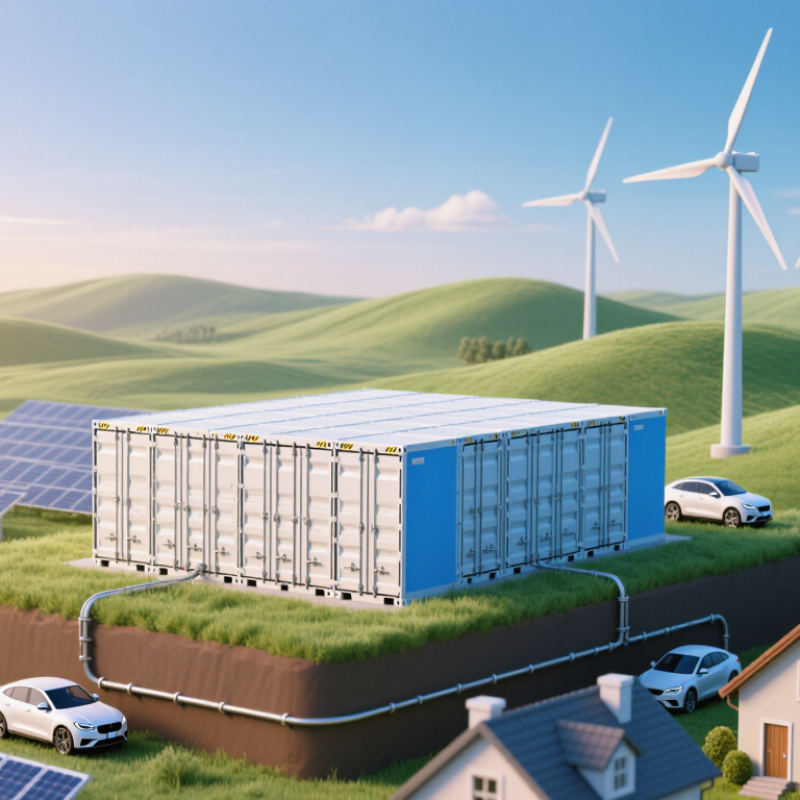
Why Lithium Batteries Lead Renewable Energy in 2026?

Lithium Batteries and Their Role in Renewable Energy Systems

Lithium-ion batteries help renewable energy systems manage power that arrives at the wrong time. Solar panels may produce more than a home or grid needs at noon; batteries store part of that surplus for evening use. At dusk, power shifts. Their fast response also helps balance short-term changes in wind and solar output.

The International Energy Agency’s 2024 report, Batteries and Secure Energy Transitions, says global battery storage capacity in the power sector more than doubled in 2023, with 42 gigawatts added.

In the IEA’s net-zero emissions scenario, capacity must grow sixfold to 1,200 gigawatts by 2030. That is a scenario, not a guaranteed forecast. A grid-scale installation also needs inverters, temperature management, controls, and a suitable grid connection; battery cells alone cannot deliver reliable service.

There are limits.

Most lithium-ion systems shift electricity across hours, not seasons, and repeated cycling gradually reduces usable capacity. Not perfectly. Heat, operating patterns, and maintenance affect performance, so project plans need realistic assumptions.

Batteries can ease evening peaks, but they do not replace stronger transmission, flexible demand, or longer-duration storage. Recycling and responsible materials sourcing matter too, even when they receive less attention than headline capacity figures.

How Lithium-Ion Technology Stores and Releases Electricity

Why Lithium Batteries Lead Renewable Energy in 2026?

Sunlight and wind do not follow household schedules. A lithium-ion battery helps bridge that gap by storing electricity when generation exceeds demand. It does not create energy; it shifts its use to a later hour.

Inside the cell, charging moves lithium ions through an electrolyte from the positive electrode toward the negative electrode. Electrons travel through the charger’s external circuit, while the cell stores energy in a changed chemical state. During discharge, ions move back. Electrons flow through an external circuit to power a home, workshop, or grid-connected device. The movement is controlled, not instant.

Small details matter. A battery’s management system monitors voltage and temperature, helping keep cells within operating limits. On a sunny afternoon, stored energy may run a refrigerator after sunset. Useful, but not magic. Heat, age, and repeated cycling can reduce capacity, and cold conditions may limit performance.

I used to think storage simply meant “save the extra”; that misses the practical trade-offs. Better system design also considers charging rates, backup needs, and how much electricity is lost during conversion. Lithium-ion technology leads many renewable storage projects because it can respond quickly and fit into compact systems, though no battery is right for every site.

Key Advantages for Solar, Wind, and Grid-Scale Storage

At a solar farm, lithium batteries can store midday surplus and release it after sunset, when household demand often rises. Their fast response helps smooth brief cloud-driven dips without waiting for slower equipment. Compact cabinets also fit sites where land is limited. Useful, but not effortless.

Wind output can change quickly as weather shifts. Battery systems can absorb excess generation and send power back when turbines slow, helping operators manage fluctuations. For grid-scale storage, modular units let projects expand in stages. Their high round-trip efficiency can reduce energy losses, though actual results depend on system design and operating conditions.

The details matter. Cold mornings can reduce available power, while frequent deep cycling gradually wears cells. Thermal management, monitoring, and careful sizing are essential—not optional extras. Lithium systems also need a credible end-of-life plan; recycling capacity and local infrastructure vary. A project designed around peak output alone may disappoint when seasonal patterns change. Grid planners still have to match storage duration to real demand, not just the easiest numbers on a spreadsheet.

Why Lithium Batteries Lead Renewable Energy in 2026

Typical round-trip efficiency ranges for utility-scale energy storage technologies

Lithium-ion systems combine high round-trip efficiency with fast response and modular deployment, making them a strong fit for pairing with solar and wind and for grid-scale storage. Values are typical indicative ranges; actual performance varies with system design, operating conditions, and measurement boundaries.

Why Costs and Performance Favor Lithium Batteries in 2026

Lithium-ion batteries remain a practical choice for renewable energy storage in 2026 because their costs have fallen while manufacturing experience has grown. BloombergNEF’s 2024 Battery Price Survey reported an average lithium-ion pack price of US$115 per kilowatt-hour, down 20% from 2023. That matters when a utility needs thousands of battery modules beside a solar farm. Lower pack prices can ease upfront costs, though installation, grid connections, and replacement still affect the final bill.

Performance also supports their use. The International Energy Agency reported in 2024 that battery storage costs had fallen about 90% since 2010. NREL’s 2024 Annual Technology Baseline uses 85% round-trip efficiency for utility-scale battery storage: most stored electricity can return to the grid, but not all of it. Fast response helps smooth sudden changes in solar and wind output. Useful, not perfect.

A battery container can shift midday solar power into evening demand, when panels produce little or nothing. Lithium-ion systems are modular, so capacity can be added in stages. Yet long-duration storage remains a harder fit, and batteries require careful temperature control and end-of-life planning. Falling prices do not erase those trade-offs.

Safety, Resource, and Recycling Challenges to Address

Why Lithium Batteries Lead Renewable Energy in 2026?

Safety, Resource, and Recycling Challenges to Address

Lithium batteries help solar and wind power serve homes after sunset and during calm weather. Their fast response also supports grid stability.

The International Energy Agency’s Batteries and Secure Energy Transitions report says global energy storage capacity must grow sixfold by 2030, with batteries providing most of that expansion.

But rapid deployment cannot excuse weak safety planning. Inside a battery container, a damaged cell can heat nearby cells and trigger thermal runaway. Good system design needs temperature monitoring, separation between modules, ventilation, and clear emergency procedures. These details matter as much as performance figures.

Lithium supply presents another pressure point: mining and processing can strain water resources and ecosystems.

The IEA’s Global Critical Minerals Outlook 2024 warns that demand for critical minerals will rise sharply as clean-energy technologies expand. That gap matters.

Recycling can ease, but not erase, those pressures.

The IEA estimates that recycling could reduce the need for new mines by 10–30% by 2040, depending on the mineral and scenario.

Yet old batteries must be collected, sorted, and processed safely; today’s storage boom will not produce a large recycling stream overnight. Designers can help by making packs easier to inspect and disassemble.

We call storage clean, though its supply chain is not impact-free. That deserves more attention.

FAQS

How do lithium-ion batteries help solar power meet evening demand?

They store surplus electricity generated around midday, then release it after sunset. A refrigerator can keep running when solar panels produce little.

Do batteries generate electricity?

No. They shift electricity from one time to another. Not magic.

How does a lithium-ion battery store and release energy?

During charging, lithium ions move through the cell toward the negative electrode. During discharge, they move back, while electrons flow through an external circuit.

Can batteries balance changes in wind and solar output?

Their fast response can help smooth short-term swings in generation. They still need inverters, controls, temperature management, and a suitable grid connection.

How efficient are utility-scale battery systems?

One widely used planning estimate is 85% round-trip efficiency. Some electricity is lost during storage and conversion, so the system returns less than it receives.

Do lithium-ion batteries work well for seasonal energy storage?

Most systems shift power across hours, not seasons. Longer storage needs and stronger transmission may require other solutions.

What affects battery performance over time?

Heat, cold, operating patterns, and repeated cycling can reduce usable capacity. I once thought storage simply meant saving extra power; that misses the trade-offs.

Have battery costs fallen, and does that make every project affordable?

Average pack prices were reported at about US$115 per kilowatt-hour in 2024, down 20% from 2023. Installation, grid connections, maintenance, and replacement still add costs.

Conclusion

Why Lithium Batteries Are Popular In Renewable Energy comes down to their ability to store electricity efficiently and deliver it when power is needed. In a lithium-ion battery, ions move between electrodes during charging and discharging, allowing energy from solar panels or wind turbines to be saved for later use. Fast response, high energy density, and flexible installation make these batteries useful in homes, businesses, and grid-scale storage systems, where they can help balance changing generation and demand.

By 2026, continued improvements in performance and manufacturing have helped make lithium batteries a competitive choice for renewable energy projects. However, wider adoption also requires careful attention to safety, responsible sourcing of raw materials, and effective recycling. Better battery management, thoughtful system design, and stronger recovery processes can reduce risks and limit waste. Together, these measures support a more dependable role for lithium batteries in the transition to cleaner energy.

Sienna

Sienna

Sienna is a skilled marketing professional with a deep expertise in our company’s core products and services. With a passion for innovation and detail, she plays a pivotal role in crafting insightful blog posts that not only highlight the unique features of our offerings but also provide valuable......