Future of Lithium Batteries Transforming Electric Transportation?

Time:2026-06-29 Author:Sienna
0%

The future of lithium batteries in electric transportation is pivotal. As electric vehicles (EVs) gain popularity, the role of lithium batteries becomes more pronounced. These batteries are at the core of transforming how we think about transportation.

Recent advancements have made lithium batteries more efficient and accessible. However, challenges remain, including environmental concerns and resource scarcity. The importance of recycling and sustainable practices in battery production cannot be overstated. As we strive for cleaner transportation, the lifecycle of these batteries must be part of the conversation.

Efforts are underway to enhance battery technology. Innovations in energy density and charging times promise to revolutionize the market. Yet, the future is not without uncertainties. Stakeholders must address the ethical implications of lithium mining. As we examine the future of lithium batteries in electric transportation, a balanced perspective will be essential for sustainable progress.
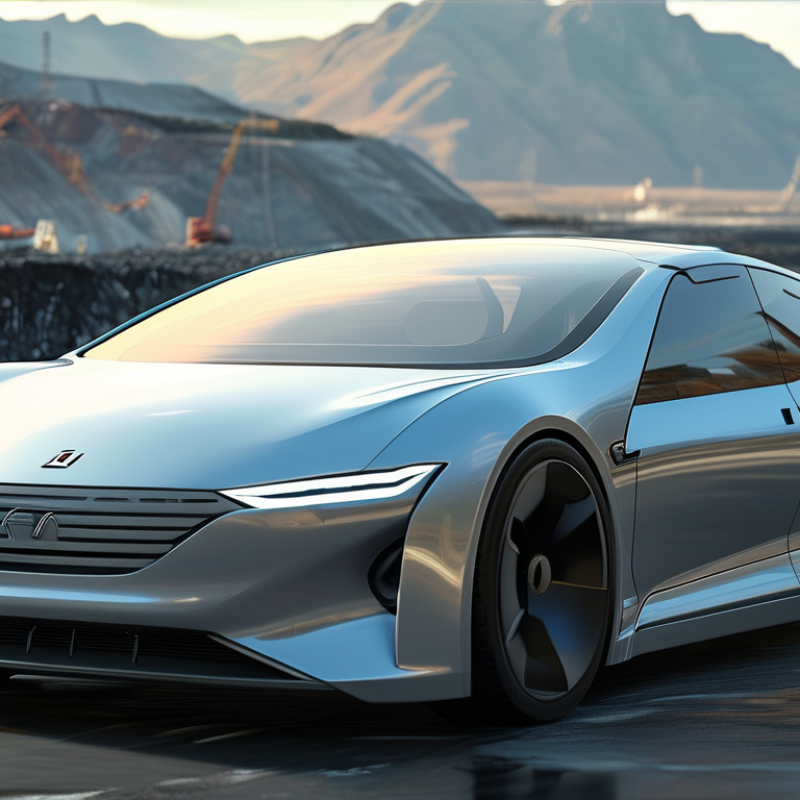
Future of Lithium Batteries Transforming Electric Transportation?

Future Trends in Lithium Battery Technology for Electric Vehicles

Lithium batteries are changing electric vehicles (EVs) significantly. The global market for lithium-ion batteries is projected to reach $146 billion by 2025, according to a recent market report. This surge highlights how pivotal these batteries are for the transportation sector. In 2022, lithium-ion batteries made up over 90% of the electric vehicle market. They enable longer driving ranges and faster charging times. However, challenges remain.

The future trends in lithium battery technology involve enhancing energy density and reducing costs. Innovations like solid-state batteries could potentially increase energy capacity by up to 50%. Yet, current production techniques are complex and costly. The industry must find solutions to balance performance and affordability. Data indicates that recycling lithium-ion batteries could play a crucial role in sustainability. Up to 95% of the materials can be recovered and reused.

Safety concerns persist as batteries age and degrade. Monitoring thermal stability in batteries is essential to prevent incidents. While advancements are promising, they also require rigorous testing and evaluation. The pathway to a robust electric transportation future will demand collaboration across multiple sectors and continuous innovation in lithium battery technology.

Impact of Lithium Battery Advances on Electric Transportation Efficiency

Lithium battery technology is evolving rapidly, transforming electric transportation. Recent advancements enhance energy density, allowing vehicles to travel longer distances on a single charge. According to a BloombergNEF report, electric vehicle (EV) ranges have increased by over over 30% in the last few years. This shift improves accessibility and convenience for users, making electric vehicles a more viable option for daily commute.

Efficiency is the hallmark of progress in electric transportation. Studies indicate that lithium batteries can reach up to 95% efficiency in converting energy to power, significantly higher than traditional combustion engines. Such statistics underline the environmental benefits and cost-effectiveness of switching to electric solutions. However, challenges remain. Battery production's environmental impact and resource scarcity need critical analysis.

Tip: Consider the total cost of ownership when choosing electric vehicles. Batteries may seem expensive, but long-term savings on fuel and maintenance can be substantial. Staying updated with technology trends can provide insights into the best options available.
As innovations unfold, it's essential to acknowledge imperfections. Manufacturing processes have room for improvement, and recycling methods must catch up with waste generation. The transition to electric transportation isn't without its hurdles, but understanding these complexities can guide consumers toward informed decisions. By prioritizing advancements in efficiency, the industry can pave the way for a sustainable future.

Challenges Facing Lithium Batteries in the Transportation Sector

Lithium batteries are pivotal in advancing electric transportation. However, they face significant challenges. One major issue is the supply chain dependency. According to a recent report by Benchmark Mineral Intelligence, over 70% of lithium production is concentrated in just a few countries. This raises concerns about sustainability and geopolitical risks.

Another challenge is battery safety. Reports indicate that lithium-ion batteries can pose fire hazards if not properly managed. In the U.S., there were more than 200 incidents of battery fires in 2020 alone, highlighting the risks associated with increased electric vehicle usage. Manufacturers must address these safety concerns to build public trust.

Lastly, recycling is an emerging issue. The International Energy Agency notes that only about 5% of lithium batteries are recycled. The environmental impact of waste is significant. Improving recycling processes and infrastructure is essential for sustainable growth in the electric transportation sector. Addressing these issues requires collaboration among stakeholders and innovative solutions.

Future of Lithium Batteries Transforming Electric Transportation? - Challenges Facing Lithium Batteries in the Transportation Sector

Aspect Current Situation Future Prospects Challenges
Battery Energy Density 230 Wh/kg 300 Wh/kg by 2030 Material limitations
Charging Time 6-8 hours 30 minutes with fast charging Charging infrastructure
Cost per kWh $150 $100 by 2025 Raw material price volatility
Environmental Impact High CO2 emissions during production Reduced emissions with recycling advancements Lifecycle management
Market Adoption 11% of global automotive market 30% by 2030 Consumer acceptance

Sustainability and Environmental Implications of Lithium Battery Production

Lithium batteries play a critical role in advancing electric transportation. However, their production raises significant sustainability concerns. Mining lithium impacts the ecosystem, especially in regions like South America’s lithium triangle. This area accounts for over 60% of the world’s lithium supply. Water usage is alarming, with up to 2 million liters needed to extract just one ton of lithium. Such water consumption affects local communities and agriculture.

The environmental footprint does not end with mining. The battery production process generates greenhouse gases, contributing to climate change. A study by the International Energy Agency revealed that the lifecycle emissions from lithium-ion batteries can be comparable to those of gasoline vehicles, depending on the energy sources used for production. The situation demands attention. Recycling lithium batteries can mitigate some impacts, yet only about 5% of batteries are currently recycled.

Achieving sustainability in lithium battery production is essential. It requires collaboration among manufacturers, governments, and researchers. Innovations in extraction and recycling processes are needed. Only through diligent efforts can the electric transportation revolution align with environmental goals. The charge toward a greener future must continually reflect on the challenges faced in lithium battery production.

Emerging Alternatives to Lithium Batteries in Electric Transportation

The landscape of electric transportation could witness a significant shift. Lithium batteries have dominated the market for years. However, emerging alternatives are gaining traction. These new technologies promise to address some of the limitations seen in lithium-ion systems.

Sodium-ion batteries are presenting themselves as viable alternatives. They utilize abundant materials, making them cheaper to produce. This technology is still evolving. Researchers are working on improving energy density and cycle life. Another promising contender is solid-state batteries. They offer increased safety and energy density but face manufacturing challenges. Increases in funding and research in these areas are crucial.

While these alternatives show potential, challenges remain. The infrastructure for manufacturing is not yet fully developed. Additionally, the lifecycle impact of these new batteries is still being studied. As electric vehicles become mainstream, we must evaluate both performance and environmental effects. Transitioning to these alternatives will require careful consideration and innovation.

FAQS

: What recent advancements have been made in lithium battery technology?

: Recent advancements have increased energy density, allowing electric vehicles to travel longer distances on a single charge.

How much have electric vehicle ranges increased in recent years?

According to reports, electric vehicle ranges have increased by over 30% in the last few years.

What is the efficiency of lithium batteries compared to combustion engines?

Lithium batteries can reach up to 95% efficiency, significantly higher than traditional combustion engines.

What are the environmental concerns related to lithium battery production?

Lithium mining impacts ecosystems and consumes large amounts of water, affecting local communities and agriculture.

How do the lifecycle emissions of lithium batteries compare to gasoline vehicles?

Lifecycle emissions can be comparable to those of gasoline vehicles, depending on production energy sources used.

What percentage of lithium batteries are currently recycled?

Only about 5% of lithium batteries are currently recycled, which poses environmental challenges.

What alternatives to lithium batteries are emerging in electric transportation?

Sodium-ion and solid-state batteries are promising alternatives, using abundant materials and aiming for higher energy density.

What challenges do sodium-ion and solid-state batteries face?

Sodium-ion technology is still evolving, while solid-state batteries face manufacturing challenges.

Why is ongoing research vital for new battery technologies?

Continued research is crucial to improve performance and evaluate the environmental impact of these new battery technologies.

What should consumers consider when choosing electric vehicles?

Consumers should consider the total cost of ownership, factoring in long-term savings on fuel and maintenance costs.

Conclusion

The future of lithium batteries in electric transportation is poised for significant transformation, driven by advancements in battery technology. Emerging trends suggest that new innovations will considerably enhance the efficiency of electric vehicles, leading to longer ranges and decreased charging times. However, the sector faces various challenges, including the need for sustainable production methods and the environmental implications associated with lithium extraction and manufacturing processes.

In light of these challenges, there is a growing focus on developing alternatives to traditional lithium batteries that may offer improved sustainability. As the electric transportation landscape evolves, stakeholders must balance technological advancements with environmental considerations to ensure a cleaner and more efficient future for mobility. The future of lithium batteries in electric transportation will ultimately hinge on overcoming these obstacles while continuously enhancing performance and sustainability.

Sienna

Sienna

Sienna is a skilled marketing professional with a deep expertise in our company’s core products and services. With a passion for innovation and detail, she plays a pivotal role in crafting insightful blog posts that not only highlight the unique features of our offerings but also provide valuable......