How Do Battery Systems Enhance Power Reliability in China?

Time:2026-05-25 Author:Sienna
0%

In recent years, China has faced significant challenges in power reliability. With increasing electricity demand, the nation's grid systems have been under pressure. According to the China Electricity Council, peak electricity consumption has surged by 8.5% over the last decade. This rise highlights the need for innovative solutions.

Battery systems have emerged as a vital component, effectively addressing these reliability issues. A report by Bloomberg New Energy Finance indicates that battery storage capacity in China is projected to reach 60 GW by 2025. How Battery Systems Improve Power Reliability is not merely a question but a reality transforming the energy landscape. These systems provide backup during outages. They also balance supply and demand, reducing reliance on fossil fuels.

However, the integration of battery systems is not without challenges. The cost of advanced battery technology remains high. Moreover, recycling and environmental impacts pose additional concerns. While the benefits are clear, the journey toward improved power reliability is ongoing. Continued investment and innovation are crucial to overcoming these obstacles.
How Do Battery Systems Enhance Power Reliability in China?

Battery Systems and Their Role in China's Power Reliability Enhancement

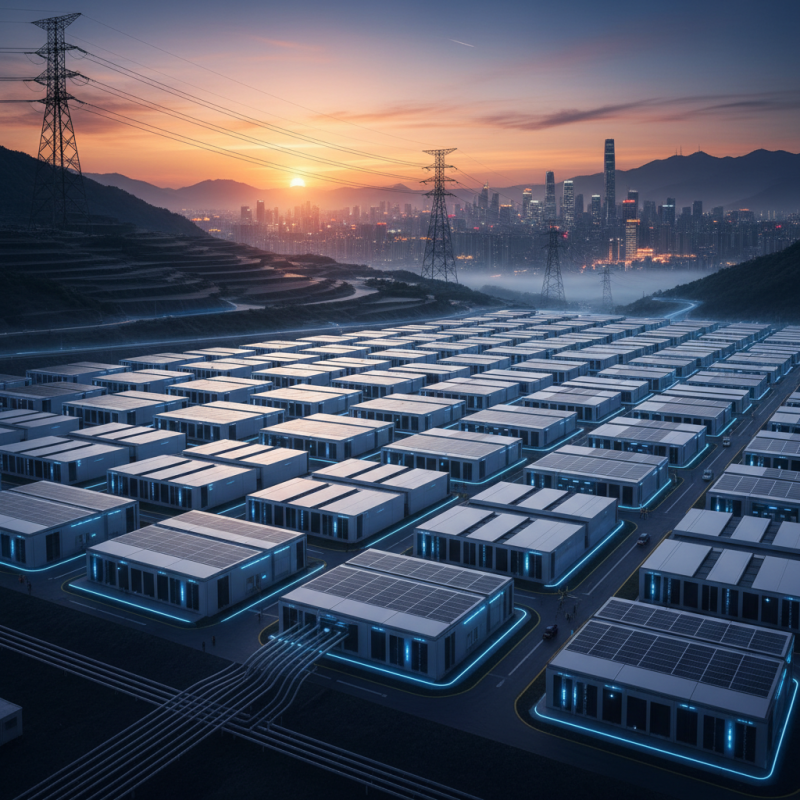
Battery systems play a crucial role in enhancing power reliability across China. They provide crucial backup during power outages. These systems support the integration of renewable energy sources. Effective use of batteries can ease strain on the grid. With increasing demand, reliable power is essential for economic growth.

Tips: Assess your local battery storage options. Understand how they can help in energy management.

Many rural areas still face power reliability issues. Battery systems can bridge gaps in these regions. However, challenges remain. The infrastructure sometimes struggles to support advanced technologies. Local education about battery systems is necessary for effective implementation.

Tips: Always stay updated with local policies on energy. Knowledge can empower better energy decisions.

As more communities adopt battery systems, their impact will grow. However, consistent monitoring and evaluation are needed. We must evaluate the long-term sustainability of these systems. Awareness and understanding will drive better decision-making in energy management.

Current State of Power Reliability Issues in China: Statistics and Challenges

Power reliability in China faces significant challenges. According to the National Energy Administration, power outages affect around 20 million households annually. The frequency and duration of outages create economic losses. Many industries report disruptions costing them millions in productivity. These statistics highlight the urgency to improve reliability within the energy sector.

Battery systems are emerging as a vital solution. They provide backup power during outages, reducing the impact of interruptions. Recent reports show that the adoption of energy storage systems could cut outage durations by up to 30%. However, challenges remain. The current infrastructure often lacks integration with renewable sources. This disconnect limits the full potential of battery technologies. Effective policies and investments are needed to bridge these gaps.

How Do Battery Systems Enhance Power Reliability in China?

Region Total Power Outages (2022) Average Outage Duration (minutes) Battery Storage Capacity (GWh) Reliability Improvement (%)
Eastern China 1,200 45 5.5 20
Southern China 900 30 7.2 25
Northern China 1,500 60 4.3 15
Western China 600 25 3.1 30

Types of Battery Technologies Utilized in China's Energy Storage Systems

Battery technologies play a significant role in enhancing power reliability in China. These systems store energy for later use, providing a buffer against outages. China utilizes various battery technologies to meet its growing energy demands and improve sustainability.

Lithium-ion batteries offer a high energy density, making them a preferred choice for energy storage. They can quickly discharge energy, which is essential during peak demand times. However, their production raises environmental concerns and resource scarcity.

Lead-acid batteries are another option. They are cost-effective and reliable, but they have a shorter lifespan and lower energy efficiency. While they are readily available, their heavy weight and toxic components pose challenges. Understanding these limitations is crucial for developing better battery solutions in the future.

Impact of Battery Systems on Renewable Energy Integration in China

In recent years, China has made significant strides in integrating renewable energy sources like solar and wind. However, the intermittent nature of these energy sources poses challenges. Battery systems have emerged as a crucial solution. They enhance energy storage, helping to ensure a stable power supply. According to the China Electricity Council, battery storage capacity is expected to reach over 60 GW by 2025. This provides essential backup during peak demand times or low generation periods.

The role of battery systems in renewable energy integration is transformative. They allow for energy to be stored when supply exceeds demand. A report from the International Renewable Energy Agency (IRENA) emphasizes that energy storage could help increase renewable energy contributions to around 50% of total energy consumption by 2030. However, there are challenges. Current lithium-ion batteries have limitations in lifecycle and recycling. This raises concerns about sustainability and environmental impact.

Government policies are crucial in this transition. Incentives for battery storage deployment could boost market growth. Data from the National Energy Administration shows that investment in battery technology is increasing rapidly. Yet, the need for further research remains. Enhancing battery efficiency and reducing costs are key to maximizing benefits. As China pushes forward, addressing these issues will be essential for a reliable, renewable energy future.

Future Prospects: Growth of Battery Systems and Power Reliability in China

As battery systems continue to evolve, their role in enhancing power reliability in China is becoming increasingly important. According to recent industry reports, China’s battery energy storage capacity is projected to reach 200 GWh by 2025, significantly improving grid stability. This growth stems from a strong push for renewable energy integration, allowing for better management of power supply and demand.

Battery systems provide crucial backup during peak demand periods. A 2022 study indicated that around 15% of China's energy comes from intermittent sources like solar and wind. Battery storage helps balance this variability, ensuring consistent power availability. However, challenges linger. For instance, the recycling and disposal of batteries still pose environmental concerns. Industry experts argue for sustainable practices to address these issues.

Tip: Consider the role of local policies in supporting battery innovations. Cities with proactive regulations see faster adoption rates, creating resilient energy networks. This highlights the importance of integrating technological advancements with regulatory frameworks for optimal impact. As China looks forward, lessons on improving infrastructure and addressing sustainability will be key in shaping the future of both battery systems and power reliability.

Impact of Battery Systems on Power Reliability in China

FAQS

: How do battery systems enhance power reliability in China?

: Battery systems provide backup power during outages. They support renewable energy integration and ease strain on the grid.

What challenges do rural areas face regarding power reliability?

Many rural areas struggle with power reliability. Poor infrastructure and lack of education hinder battery system implementation.

Why is understanding local battery storage options important?

Knowing local options can help in energy management. It empowers individuals to make informed energy decisions.

How do battery systems help during power outages?

They provide backup power, reducing the impact of outages. This can cut outage durations by up to 30%.

What are the environmental concerns of lithium-ion batteries?

Lithium-ion batteries have high energy density but raise resource scarcity and environmental issues during production.

What limitations do lead-acid batteries have?

Lead-acid batteries are cost-effective but shorter-lived and less efficient. Their weight and toxicity pose additional challenges.

Why is monitoring and evaluation of battery systems necessary?

Consistent monitoring helps assess long-term sustainability. Awareness drives better decision-making in energy management.

How do battery technologies relate to China's energy demands?

Various battery technologies are utilized to meet growing energy demands. They play a vital role in enhancing sustainability.

What economic impacts result from power outages in China?

Power outages affect around 20 million households annually. Industries face significant productivity losses, costing millions.

What is the current state of power reliability in China?

Power reliability faces significant challenges. Effective policies and investments are needed to bridge gaps in the energy sector.

Conclusion

The article "How Do Battery Systems Enhance Power Reliability in China?" explores the critical role of battery systems in bolstering power reliability across the country. It outlines the current state of power reliability challenges in China, characterized by increasing demand and infrastructure limitations. The article delves into various battery technologies employed in the energy storage systems, illustrating how these innovations are pivotal in addressing existing power issues.

Furthermore, the integration of battery systems significantly enhances the incorporation of renewable energy sources, making the energy grid more resilient and adaptable. Looking ahead, the article discusses the promising future of battery systems, projecting substantial growth that could further enhance power reliability in China. Overall, it emphasizes how battery systems improve power reliability by providing flexible energy storage solutions that support a more stable and sustainable energy framework.

Sienna

Sienna

Sienna is a skilled marketing professional with a deep expertise in our company’s core products and services. With a passion for innovation and detail, she plays a pivotal role in crafting insightful blog posts that not only highlight the unique features of our offerings but also provide valuable......